Gypsy Ballads
A New Translation of the Romancero Gitano by Federico Garcia Lorca
Report an issue
Tell us what's wrong and we'll take a look.
Thanks – we got it. We'll review and follow up if needed.
Lorca described his poetic study of human nature as an intricate retablo of southern Spain. On the surface it depicts the daily struggles of a marginalized people, but beneath the surface there is so much more. In these eighteen poems Lorca illustrates for us with words and lyrical incantations the daily interactions of the oppressors and the oppressed.
Here we have on display the seven deadly sins (and three last things!) that Hieronymus Bosch explored hundreds of years earlier with oil paint. You will witness the:
- lust (Luxuria) of The Cheatin' Wife and her gypsy lover; and the
- dark sorrow (Tristitia) of the loveless Soledad Montoya, the abandoned girl of the Dreamwalking Ballad, and the conflicted Gypsy Nun. You will be assaulted by the
- greed (Avaritia) of the Sons of Benamejí as they murder a flamboyant gypsy for his shoes and jewelry, and the
- wrath (Ira) of knife-wielding rival gangs as they skirmish and kill each other for nothing but
- pride (Superbia).
Lorca then saves his best for the Spanish Civil Guard, symbol of ignorance, brute power, and police oppression as he rails against their
- sloth (Acedia),
- gluttony (Gula), and
- vanity (Vanagloria...)
while they terrorize the peasants of the Andalusian countryside with their guns and raze whole villages in their fury.
Lorca knew what might come--he was a marked man--but he did not flinch or pull his punches. Saints and sinners swirl 'round and 'round and 'round midst wind and water under an omnipresent gypsy moon in these songs of seduction and sobriety.
What does it all mean? The poet doesn't say, but rather leaves it to us to ponder and find application in our own lives.
Federico Garcia Lorca
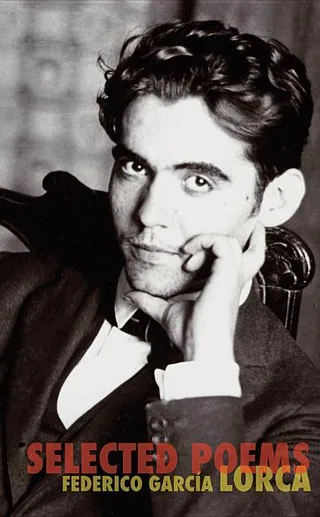
Federico García Lorca (1898-1937) was born in Granada, Spain. A poet and playwright (Blood Wedding, The House of Bernarda Alba), he was killed by the Falangists in Spain during the Spanish Civil War.
More by Federico Garcia Lorca


Why Readwise Books?
Readwise Books is an ebook & audiobook platform that automatically logs how much you and your friends read, making it fun and easy to read more. Learn more →