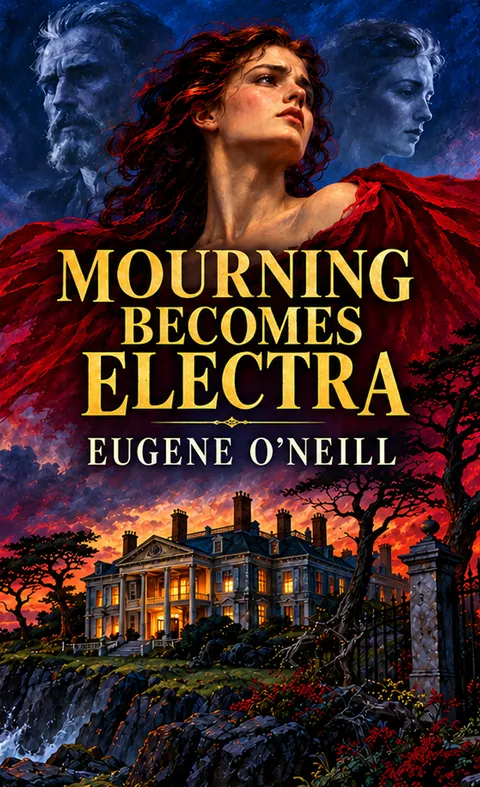
Mourning Becomes Electra
Mourning Becomes Electra: A Trilogy of Love, Betrayal, and Revenge
Report an issue
Tell us what's wrong and we'll take a look.
Thanks – we got it. We'll review and follow up if needed.
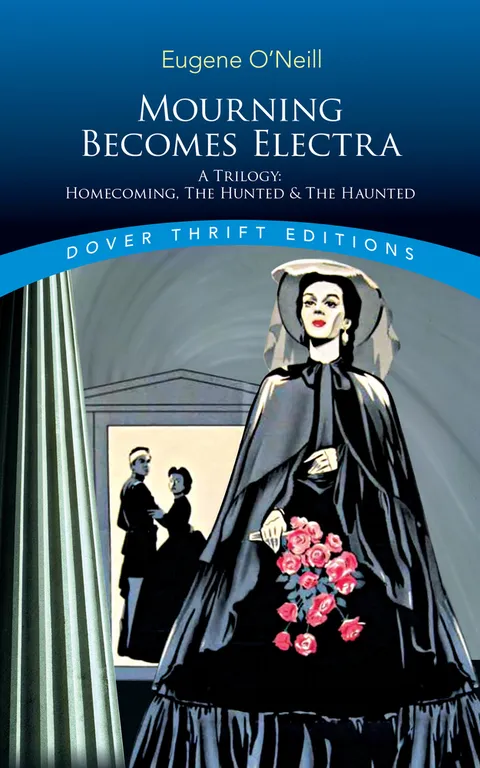
**A powerful tragedy of love, betrayal, vengeance, and the terrible inheritance of family guilt.** As the American Civil War draws to a close, General Ezra Mannon returns to his imposing New England home, where beneath the appearance of wealth and respectability lie passions capable of destroying an entire family. His wife, Christine, has taken a lover, Captain Adam Brant, while their daughter, Lavinia, is fiercely devoted to her father. When long-concealed resentments erupt into murder, the Mannon household becomes the setting for a relentless struggle between love and hatred, loyalty and betrayal, vengeance and remorse. In *Mourning Becomes Electra*, Eugene O'Neill transforms the ancient Greek tragedy of Aeschylus's *Oresteia* into a devastating examination of the American family. Told through three interconnected plays—*Homecoming*, *The Hunted*, and *The Haunted*—the drama follows Lavinia and her brother Orin as they become trapped in a cycle of revenge that threatens to consume everyone they love. O'Neill replaces the supernatural forces of Greek tragedy with the destructive power of psychological obsession, inherited guilt, and desires too dangerous to acknowledge. An extraordinary achievement of American theater, *Mourning Becomes Electra* combines the grandeur of ancient tragedy with the psychological intensity of modern drama. Its exploration of repression, sexuality, family conflict, and the impossibility of escaping the past established it among O'Neill's most ambitious works. Sweeping in its conception and uncompromising in its emotional force, this trilogy remains a remarkable portrayal of human beings struggling against the consequences of their own passions.
Eugene O'Neill
Eugene O'Neill (1888–1953) was an American playwright whose dramatic innovations transformed the American stage. Born in New York City to a theatrical family, he drew upon his experiences at sea, his troubled family relationships, and his fascination with psychology and human suffering to create works of extraordinary emotional depth. He received four Pulitzer Prizes for Drama and became the first American playwright to win the Nobel Prize in Literature, awarded in 1936. His major works include *The Emperor Jones*, *Anna Christie*, *Desire Under the Elms*, *Strange Interlude*, *Mourning Becomes Electra*, *The Iceman Cometh*, and *Long Day's Journey into Night*. His plays brought psychological realism, experimental dramatic techniques, and tragic ambition to American theater.
More by Eugene O'Neill








Why Readwise Books?
Readwise Books is an ebook & audiobook platform that automatically logs how much you and your friends read, making it fun and easy to read more. Learn more →