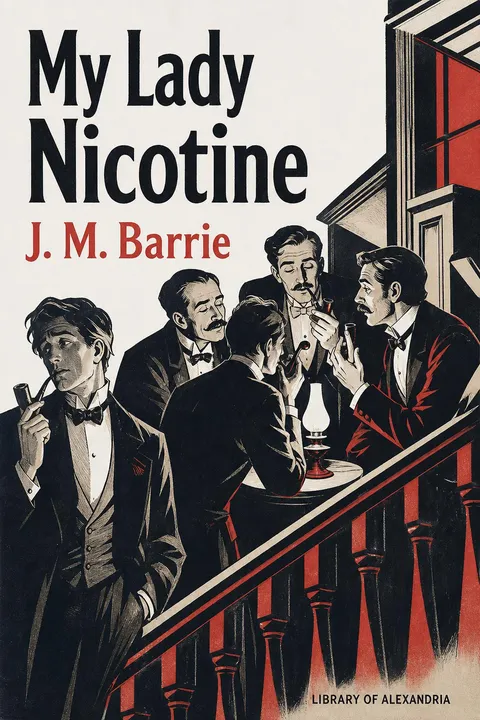
My Lady Nicotine
Victorian Humour About Pipe Smoking, Bachelor Friendship, and Letting Go
Report an issue
Tell us what's wrong and we'll take a look.
Thanks – we got it. We'll review and follow up if needed.
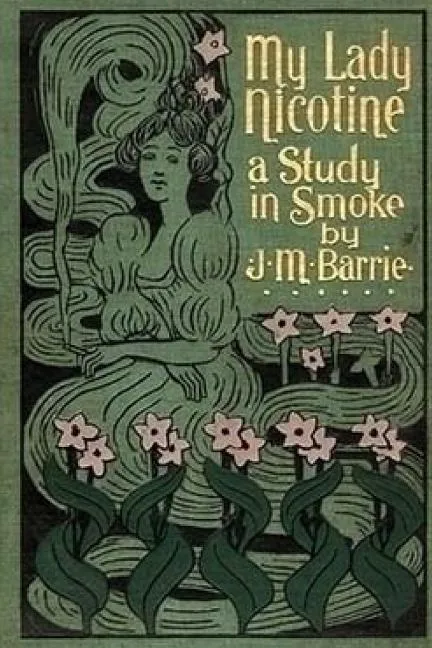
Some habits are harder to leave behind because they come with friends. For one reluctant former pipe smoker, giving up tobacco means looking back on an entire way of life.
In My Lady Nicotine, J. M. Barrie transforms tobacco, bachelor rooms, and everyday conversation into a world of affectionate comedy. His narrator recalls his smoking days from the other side of a promise to give up his pipe. At the centre of those memories is the Arcadia Mixture, a cherished tobacco blend whose devotees share stories, arguments, and an unwavering faith in its virtues.
Set against Victorian London, these linked sketches bring together companions including Gilray, Marriot, Scrymgeour, Jimmy, and Pettigrew. House-boat misadventures, pipe-smoking dreams, and the narrator's imaginary brother Henry supply the farce; marriage, changing loyalties, and the passage of time give it a quieter emotional depth. Moving between comic essay, story, and reverie, Barrie captures the peculiar tenderness of remembering a former self without quite wanting that self back.
What readers find inside:
• The Arcadia Mixture - A beloved tobacco blend becomes the focus of shared rituals and comic devotion.
• Bachelor companions - A warmly observed circle of friends turns ordinary encounters into memorable comedy.
• Whimsical adventures - Dreams, storytelling, and a troublesome house-boat carry the sketches beyond the smoking room.
• Marriage and change - The narrator considers how domestic life reshapes familiar pleasures and friendships.
• Humour with feeling - Beneath the jokes lies a wistful awareness of what people lose as they move into a new life.
A welcoming choice for readers of Victorian humour, lovers of literary sketches, and anyone drawn to stories about friendship and the difficulty of letting go.
Step into Barrie's circle of old companions and discover the memories that linger after the last pipe.
J. M. Barrie
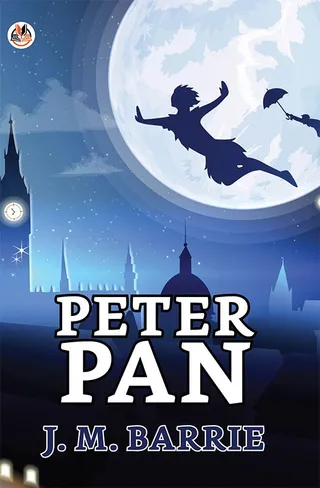
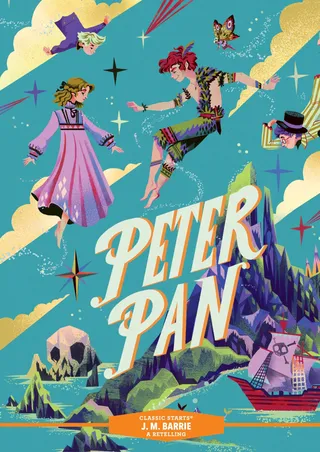
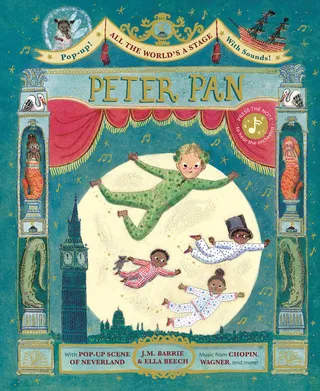
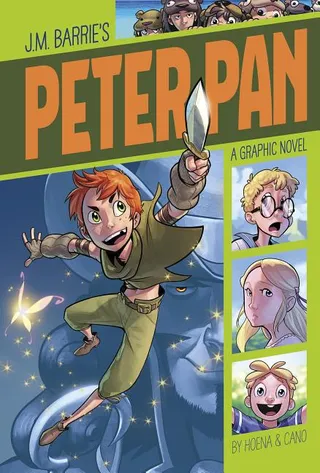
J. M. Barrie (1860-1937) was a Scottish playwright and novelist best remembered for creating the character Peter Pan. The mischievous boy first appeared in Barrie's novel The Little White Bird in 1902 and then later in Barrie's most famous work, Peter Pan, or The Boy Who Wouldn't Grow Up, which premiered on stage in 1904 and was later adapted into a novel in 1911. An imaginative tale about a boy who can fly and never ages, the story of Peter Pan continues to delight generations around the world and has become one of the most beloved children's stories of all time. Peter's magical adventures with Tinker Bell, the Darling children, and Captain Hook have been adapted into a variety of films, television shows, and musicals.
More by J. M. Barrie


Why Readwise Books?
Readwise Books is an ebook & audiobook platform that automatically logs how much you and your friends read, making it fun and easy to read more. Learn more →