Report an issue
Tell us what's wrong and we'll take a look.
Thanks – we got it. We'll review and follow up if needed.
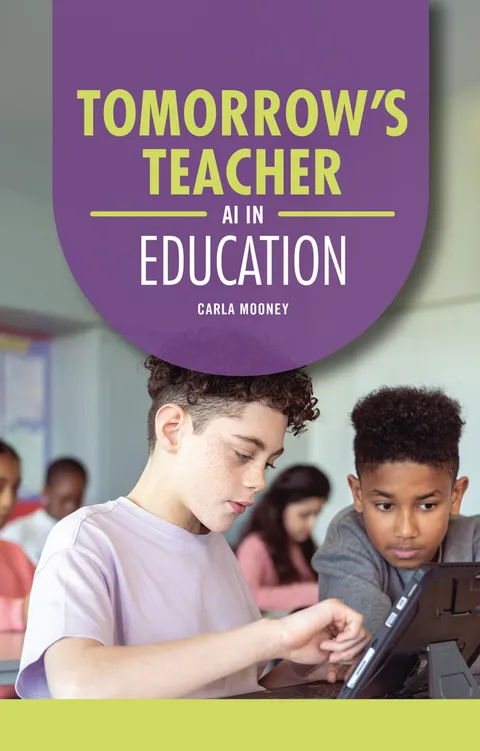
Teaching is one of the most challenging but critical professions. Education on every level, from primary school to college to vocational training, is key to moving society forward. Technology has become an integral part of education, and artificial intelligence (AI) is beginning to take a more active role in making teaching and learning more personalized, efficient, and accessible. With the growth of AI in classrooms around the world comes not only a new set of tools and systems to make education better, but also a new set of challenges for teachers, students, and guardians.
AI-based apps and programs can adapt the presentation of new information to fit every learning style, provide individualized tutoring, and assist teachers with time-consuming tasks such as lesson-planning and grading. AI can also analyze student progress and help both teachers and guardians provide the support necessary for a student's success. But not all students have access to the tools necessary to take advantage of AI, AI can be biased and impersonal, and computerized teachers and tutors lack the empathy and emotional intelligence that only a human instructor can possess. Schools and families are faced with a new challenge as education continues to evolve: how to balance helpful technology with the traditional teaching methods to ensure that students succeed.
Carla Mooney
Carla Mooney is the author of several books for young readers. A graduate of the University of Pennsylvania, she lives in Pittsburgh, Pennsylvania, with her husband and three children.
More by Carla Mooney












Why Readwise Books?
Readwise Books is an ebook & audiobook platform that automatically logs how much you and your friends read, making it fun and easy to read more. Learn more →