Report an issue
Tell us what's wrong and we'll take a look.
Thanks – we got it. We'll review and follow up if needed.
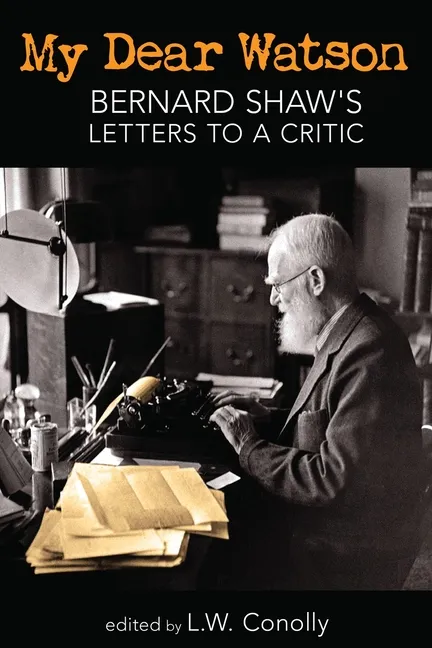
Over the course of three decades, George Bernard Shaw and theatre critic Malcolm Watson of the Daily Telegraph carried out an extensive correspondence. My Dear Watson brings together in book form the previously unpublished letters from Shaw to Watson (those from Watson to Shaw are no longer extant): letters that are significant for the light they shed on the working relationship between Shaw and one of London's major newspapers.
Many of the letters include self-drafted "interviews" with Shaw that Watson was able to use (sometimes with considerable embellishment) in his columns in the Telegraph. The letters reveal not only Shaw's views on his own plays, but also important theatrical initiatives of the time. Shaw's attempts to educate Watson on theatre censorship add new dimensions to Shaw's deep engagement with the controversial issue, while Watson's "interview" with Shaw about anticipated raucous audience behaviour at the opening night of Pygmalion, and Shaw's subsequent thank-you to Watson for his cooperation in trying to establish a "new code of manners in the
theatre," speak to Shaw's serious concern about giving actors a fair hearing. All but one of the letters deal with theatrical matters; the exception deals with a personal income tax question that Watson had raised with Shaw and, apart from revealing Shaw's knowledge of British tax legislation, suggests that the professional relationship between the two men had reached a level of comfort and respect that enabled such discussion of personal matters.
Shaw's letters to Watson, and the self-drafted interviews that accompanied some of the letters, provide the backbone of the narrative of their relationship. Editor L.W. Conolly has provided relevant context to link the letters, including transcripts of Watson's columns on Shaw. The book also includes full transcripts of, or lengthy extracts from, Daily Telegraph reviews of Shaw's major plays during the years that Watson worked for the paper. The result is a work that sheds significant light not only on one of the English language's greatest playwrights but also on the practice and profession of theatre criticism.
"Conolly's editing, notes and references are thorough and illuminating, and his subtle editorial approach and impeccable scholarship make this slim volume highly entertaining as well as informative." --Dr. Anne Wright, The Shavian
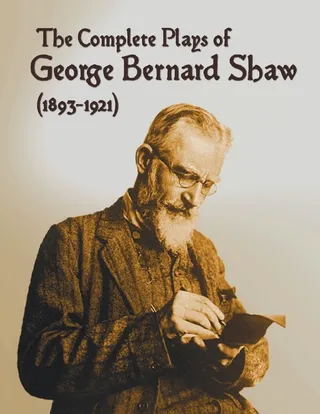
Bernard Shaw
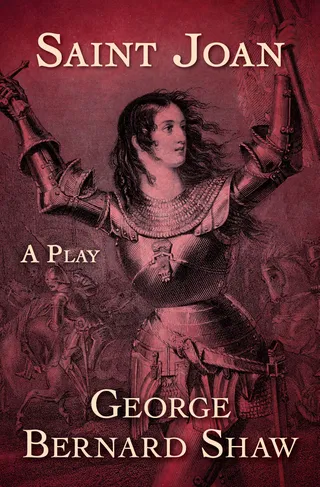
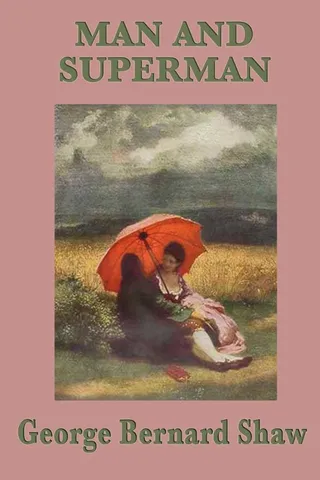
From 26 July 1856 to 2 November 1950, Irish playwright, critic, polemicist, and political activist George Bernard Shaw was alive. He preferred to be referred to simply as Bernard Shaw. From the 1880s until his death and even after, he had a significant impact on Western politics, theater, and society. He produced more than sixty plays, including classics like Saint Joan (1913), Pygmalion (1913), and Man and Superman (1902). (1923). Shaw became a well-known playwright during his time and was awarded the Nobel Prize in literature in 1925 for his works that combine historical allegory and contemporary satire. Before Shaw's first play, Arms and the Man, published in 1894, became a success in the public eye, years passed. He tried to infuse new realism into English-language drama, influenced by Henrik Ibsen. He had established himself as a reputable theater and music critic by the mid-1880s. After having a political awakening, he joined the gradualist Fabian Society and swiftly advanced to the position of principal pamphleteer. Before Shaw's first play, Arms and the Man, published in 1894, became a success in the public eye, years passed. He tried to infuse new realism into English-language drama, influenced by Henrik Ibsen.
More by Bernard Shaw



Why Readwise Books?
Readwise Books is an ebook & audiobook platform that automatically logs how much you and your friends read, making it fun and easy to read more. Learn more →