Report an issue
Tell us what's wrong and we'll take a look.
Thanks – we got it. We'll review and follow up if needed.
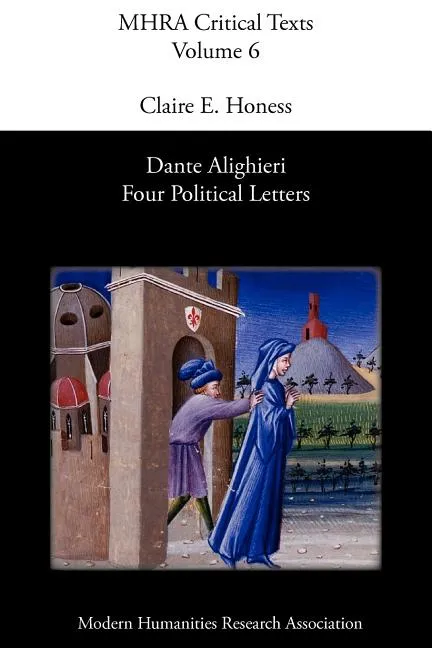
During the early years of the fourteenth century Italy was in turmoil. Factional conflicts divided citizens of the same city against one another, while the great medieval institutions of Church and Empire struggled to impose their authority over the peninsula. Against this political background, and in exile from his beloved Florence, Dante wrote the letters contained in this volume. The themes of the letters are those same political concerns which Dante expounds in his treatise the Monarchia and which will be familiar to any reader of the Commedia: his support for the Empire and his disapproval of the political ambitions of the papacy. But far from being dry or formulaic political tracts, these letters are impassioned and rhetorically sophisticated pieces of writing, which reflect, on many different levels, the concerns of Dante's great poetic masterpiece.
Claire Honess has produced a modern and accessible translation of these letters, accompanied, for the first time in English, by a wide-ranging introductory essay and by full explanatory notes on the texts themselves. This volume will be a valuable tool for students of Dante and of this period in medieval Italian history, for scholars, and for the general reader.
Dante
Dante was born in Florence, Italy, in 1265. Heir of a poor but noble family, he was one of the seven elected officials in charge of the government of Florence. Civil war was common in Florence at the time and the issues were further complicated by the question of Papal influence. In 1300, Dante along with his fellow magistrates confirmed anti-papal measures. When in 1302, the French prince acting under orders from the Pope captured power in Florence, Dante was sentenced on charges of corruption and opposition to the Church and exiled from Florence on pain of execution by burning if he ever returned. He spent the rest of his life in exile, pining for his native city. He withdrew from active politics to a large extent and concentrated on his literary creations.
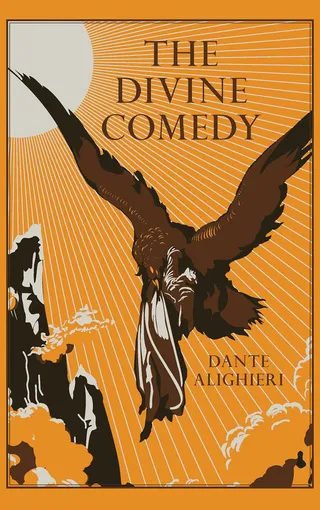
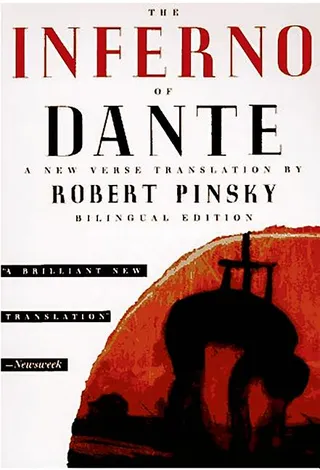
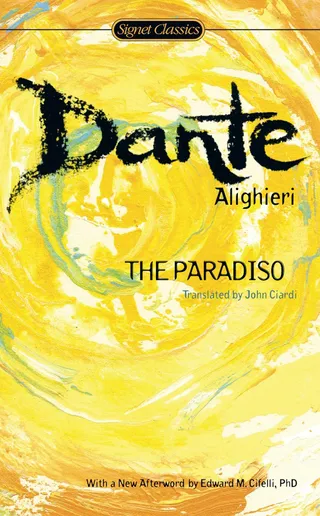
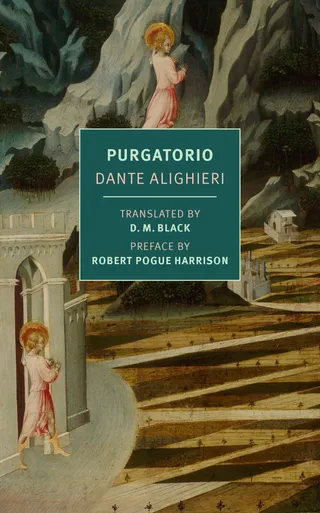
We do not know exactly when Dante began work on The Divine Comedy. He had been moving about from court to court after his exile and 1n 1317 had settled at Ravenna, where he completed his great work. Extant correspondence shows that the first and second parts of The Divine Comedy, the "Inferno" and the "Purgatario" were generally known around 1319. The last part, the "Paradiso" was completed only in 1321. Dante died at Ravenna on 14 September 1321 and the last thirteen Cantos of the "Paradiso" were published posthumously.
More by Dante
C E Honess
Translated by
Dr Claire Honess is a Senior Lecturer in the Italian Department at the University of Leeds.


Why Readwise Books?
Readwise Books is an ebook & audiobook platform that automatically logs how much you and your friends read, making it fun and easy to read more. Learn more →