Report an issue
Tell us what's wrong and we'll take a look.
Thanks – we got it. We'll review and follow up if needed.
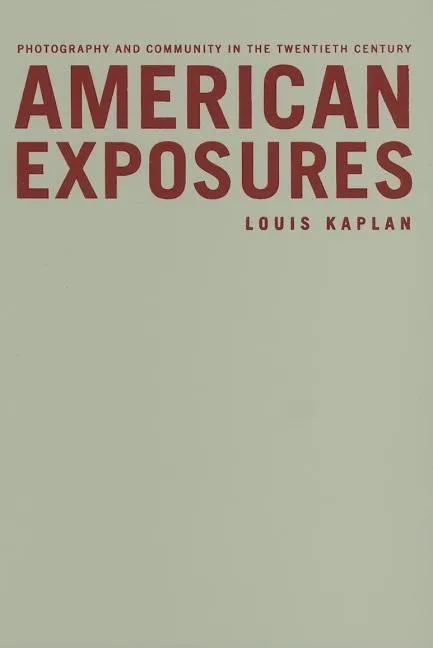
Examining an eclectic collection of photographers, American Exposures deploys a number of critical concepts and theories developed by Jean-Luc Nancy in The Inoperative Community, as well as other philosophers, and applies them to the field of photography studies. Combining artistic and historical material with interdisciplinary theory, Kaplan moves beyond indexical thinking to demonstrate how an expository approach offers valuable resources with which to analyze visual communication. In doing so, he highlights the distinct powers of both community and photography as discourses of exposure.
With an original approach to photography from Edward Steichen's Family of Man exhibition to Pedro Meyer and the rise of the digital image, Kaplan points to a new way to think about the intimate relationship among photography, American life, and the artistic imagination.
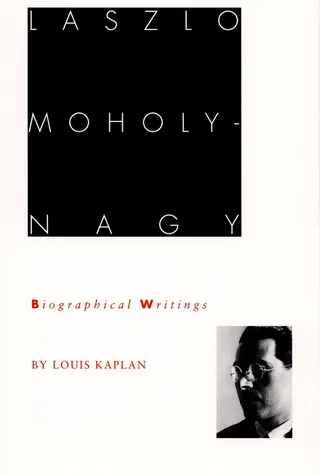
Louis Kaplan is associate professor of history and theory of photography and new media in the Graduate Department of History of Art at the University of Toronto; he also coordinates the Visual Culture and Communication program at the University of Toronto at Mississauga. He is the author of Laszlo Moholy-Nagy: Biographical Writings.
Louis Kaplan
Louis Kaplan is professor of the history and theory of photography and new media at the University of Toronto. He is the author of several books including, most recently, The Strange Case of William Mumler, Spirit Photographer.
More by Louis Kaplan



Why Readwise Books?
Readwise Books is an ebook & audiobook platform that automatically logs how much you and your friends read, making it fun and easy to read more. Learn more →