Report an issue
Tell us what's wrong and we'll take a look.
Thanks – we got it. We'll review and follow up if needed.
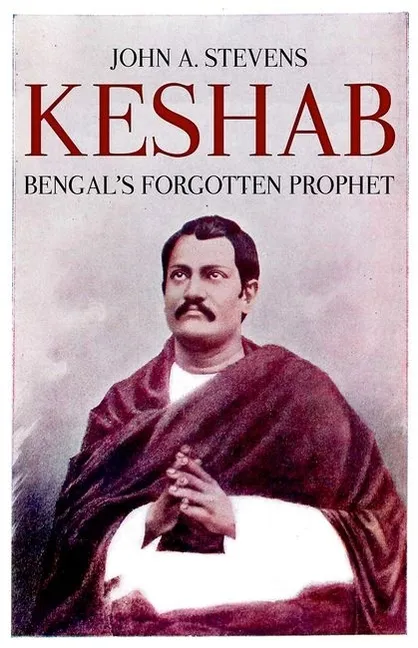
Keshab Chandra Sen (1838-84) was one of the most powerful and controversial figures in nineteenth-century Bengal. A religious leader and social reformer, his universalist interpretation of Hinduism found mass appeal in India, and generated considerable interest in Britain. His ideas on British imperial rule, religion and spirituality, global history, universalism and modernity were all influential, and his visit to England made him a celebrity. Many Britons regarded him as a prophet of world-historical significance. Keshab was the subject of extreme adulation and vehement criticism. Accounts tell of large crowds prostrating themselves before him, believing him to be an avatar. Yet he died with relatively few followers, his reputation in both India and Britain largely ruined. As a representative of India, Keshab became emblematic of broad concerns regarding Hinduism and Christianity, science and faith, India and the British Empire. This innovative study explores the transnational historical forces that shaped Keshab's life and work. It offers an alternative religious history of empire, characterized by intercultural dialogue and religious syncretism. A fascinating and often tragic portrait of Keshab's experience of the imperial world, and the ways in which he carried meaning for his contemporaries.
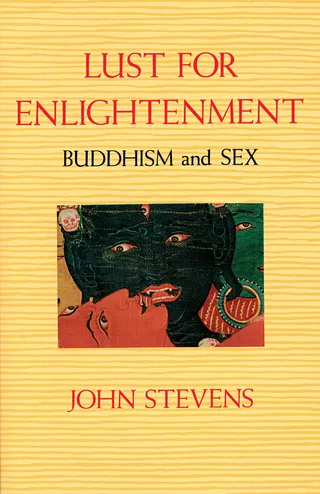
John Stevens
John Stevens lectured in law at the University of Birmingham before entering full time ministry. He is the National Director of the Fellowship of Independent Evangelical Churches in the UK, and co-pastor of a church plant in Market Harborough. John is married to Ursula and they have four children.
More by John Stevens





Why Readwise Books?
Readwise Books is an ebook & audiobook platform that automatically logs how much you and your friends read, making it fun and easy to read more. Learn more →