Not Mary Shelley's The Last Man
Report an issue
Tell us what's wrong and we'll take a look.
Thanks – we got it. We'll review and follow up if needed.
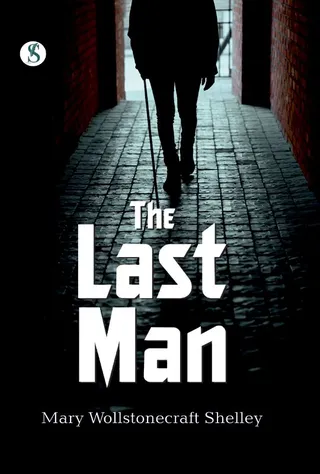
A futuristic account of a global pandemic that wipes out the entire human race, Mary Wollstonecraft Shelley's second novel was published in 1826 to poor reviews and long oblivion. The haste in which she wrote The Last Man shows, and to this day the writing style elicits harsh complaints. Now, word-by-word renovation by novelist Liz Mackie reveals a text that stands comfortably alongside Frankenstein as a masterwork of speculative horror. This showcase for Mary Shelley's epic imagination and rich talents as a travel writer, social critic, and psychologist, also succeeds in bringing readers into the room with literary history, as poets Percy Shelley and Lord Byron, heroes of the Romantic era, both appear in detailed fictionalized portraits. And in a remarkable departure from its best-selling predecessor, the book abounds in closely observed female characters, women and girls of strong opinions and strong passions, articulate, dynamic, confronting tragedy with memorable valor. Likewise their creator-who, through them, explored her young widowhood and memorialized her grief.
In this Nostalgistudio edition--a respectful revision of an original in the public domain, presented online from 2021-23 as a pandemic project--The Last Man emerges as the heartbreaking, gripping, well-tuned Mary Shelley novel that 200 years of readers have been hoping for.
More about the method here, from Liz Mackie's Introduction:
"In revising and editing The Last Man for modern readers, I've sought to make its many strengths shine forth-so that it might be easier to see, for instance, the book's affinities with Frankenstein, another tale of adventures in philosophical horror. Taking the comprehensive line-by-line approach enabled by digital technology, I've moved some passages around to heighten the action of the plot, pared back redundancies, and generally 'fixed' how things sound: updating old locutions that might act as stumbling blocks to present-day ears; adding contractions and possessives; rendering Mankind and the like more inclusive. True to its era, the original text is packed with poetic quotations and references to myth and ancient history; I've given context, translated, or cut as seemed best. I've worked to sharpen visual details for readers raised on camera images: Mary Shelley has a different eye from ours, one trained in a world dominated by the printing press. I've made a handful of additions and outright transformations. I've also left countless passages of wonderful writing unchanged. Though each chapter wound up some hundreds of words shorter than in the original, it's all here. My goal has been to offer The Last Man to the public in the form of the gripping, well-tuned nineteenth-century novel it always had the potential to be."
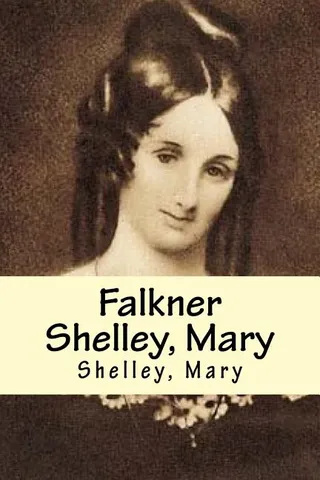
Mary Shelley
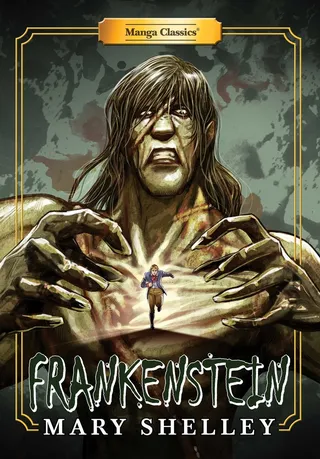
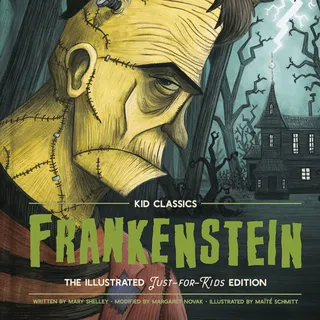
Mary Wollstonecraft Shelley was born on August 30, 1797, into a life of personal tragedy. In 1816, she married the poet Percy Bysshe Shelley, and that summer traveled with him and a host of other Romantic intellectuals to Geneva. Her greatest achievement was piecing together one of the most terrifying and renowned stories of all time: Frankenstein; or, The Modern Prometheus. Shelley said she conceived of Frankenstein in “a waking dream.” This vision was simply of a student kneeling before a corpse brought to life. Yet this tale of a mad creator and his abomination has inspired a multitude of storytellers and artists. She died on February 1, 1851.
More by Mary Shelley


Why Readwise Books?
Readwise Books is an ebook & audiobook platform that automatically logs how much you and your friends read, making it fun and easy to read more. Learn more →