Report an issue
Tell us what's wrong and we'll take a look.
Thanks – we got it. We'll review and follow up if needed.
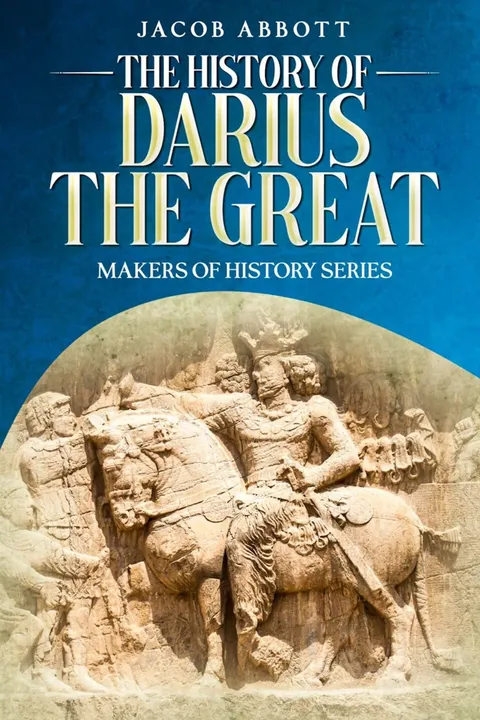
In the pages of ancient history, one name stands tall among the Persian rulers, revered for his wisdom, vision, and legacy of grandeur-Darius the Great. Born into humble beginnings around 550 BCE, Darius ascended to become one of history's most influential leaders, shaping an empire that echoed his greatness for centuries to come.
Darius' journey to power was a testament to his intellect and resilience. Rising from a noble background rather than royal lineage, he navigated a world of political intrigue to claim the Persian throne. His ascent reflected not only ambition but also strategic brilliance and a deep understanding of governance.
Once crowned, Darius didn't merely reign; he engineered an empire that spanned continents. His reign marked an era of stability and progress, characterized by administrative innovations and infrastructural marvels. Darius introduced a system of satrapies-provinces governed by appointed officials-to ensure effective governance across diverse territories, fostering cultural exchange and economic growth.
What set Darius apart was his commitment to inclusivity. He respected the customs and religions of the lands he conquered, promoting tolerance and unity within his vast empire. His famous Behistun Inscription stands as a testament to this, carved in multiple languages to communicate his respect for diversity and justice.
Beyond his conquests, Darius left an indelible mark through his ambitious construction projects. The construction of the Royal Road, a monumental highway spanning over 1,500 miles, facilitated communication and trade within the empire, showcasing his commitment to progress and connectivity.
Darius the Great wasn't merely a ruler; he was a visionary leader who left a legacy of unity, progress, and cultural exchange. His reign exemplifies the heights that determination, intelligence, and empathy can reach, inspiring generations to embrace diversity and pursue greatness through inclusivity and innovation.
The story of Darius resonates through the ages, reminding us that leadership isn't just about power; it's about leaving a lasting impact that transcends borders and time itself.
Jacob Abbott
Jacob Abbott, a prolific 19th-century American creator, left an indelible mark on literature together with his diverse works, and one extremely good advent is "Caleb within the Country." This novel showcases Abbott's narrative prowess and his ability to craft enticing testimonies for young readers. In "Caleb within the Country," Abbott unfolds the adventures of the titular individual, Caleb, as he navigates the demanding situations and discoveries of rural life. Abbott's writing is characterised with the aid of its reachable style and moral classes, making the book no longer best interesting however additionally instructive for its target market. The story is imbued with Abbott's educational philosophy, aiming to impart virtues and lifestyles lessons to young minds. Abbott, recognized for his ancient biographies and kid's literature, possessed a unique skill for combining educational elements with fascinating storytelling. "Caleb in the Country" reflects his dedication to fostering individual improvement and ethical knowledge within the young people. As a trailblazer in American children's literature, Jacob Abbott's contributions make bigger beyond individual works, influencing generations of readers. "Caleb in the Country" stands as a testomony to Abbott's commitment to imparting younger audiences with both enjoyment and treasured insights, making him a respected figure within the realm of nineteenth-century literature for youngsters and teenagers.
More by Jacob Abbott




Why Readwise Books?
Readwise Books is an ebook & audiobook platform that automatically logs how much you and your friends read, making it fun and easy to read more. Learn more →