
Report an issue
Tell us what's wrong and we'll take a look.
Thanks – we got it. We'll review and follow up if needed.
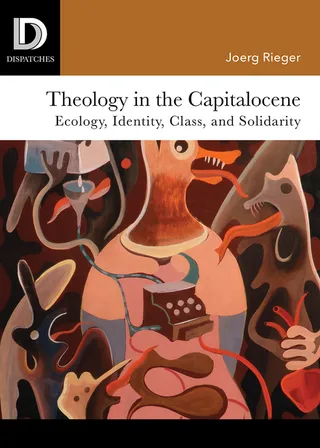
Even though economic downturns are still followed by upturns, fewer people benefit from them. As a result, economic crisis is an everyday reality that permanently affects all levels of our lives. The logic of downturn, developed in this book, helps make sense of what is going on, as the economy shapes us more deeply than we had ever realized, not only our finances and our work, but also our relationships, our thinking, and even our hopes and desires. Religion is one arena shaped by economics and thus part of the problem but, as Joerg Rieger shows, it might also hold one of the keys for providing alternatives, since it points to energies for transformation and justice. Rieger's hopeful perspective unfolds in stark contrast to an economy and a religion that thrive on mounting inequality and differences of class.
Joerg Rieger
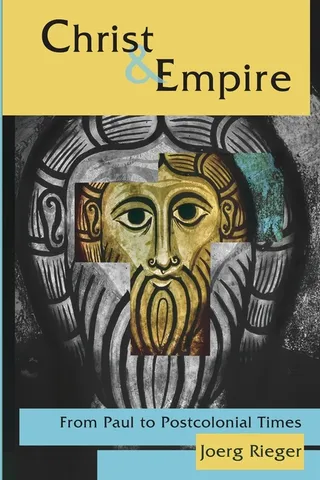
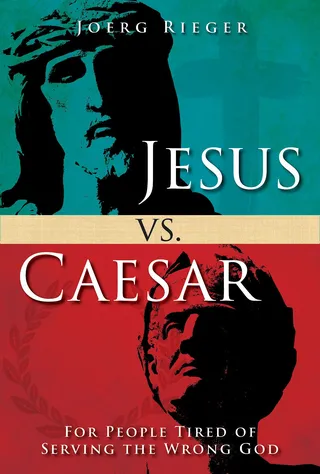
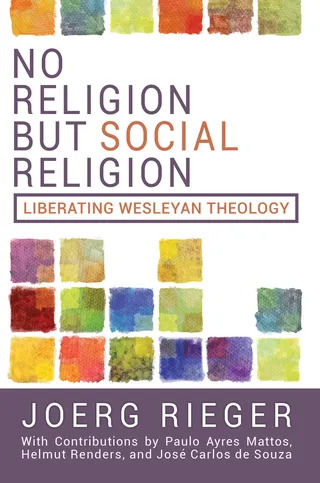
Joerg Rieger is Distinguished Professor of Theology and Cal Turner Chancellor’s Chair in Wesleyan Studies, and the Director of the Wendland-Cook Program in Religion and Justice at Vanderbilt University, Nashville, Tennessee. His work addresses the relation of theology and public life, reflecting on the misuse of power in religion, politics, and economics. Author and editor of 27 books and over 210 academic articles, his books include Jesus vs. Caesar: For People Tired of Serving the Wrong God; No Religion but Social Religion: Liberating Wesleyan Theology; Unified We Are a Force: How Faith and Labor Can Overcome America’s Inequalities (with Rosemarie Henkel-Rieger); Faith on the Road: A Short Theology of Travel and Justice; and Occupy Religion: Theology of the Multitude (with Kwok Pui-lan).
More by Joerg Rieger




Why Readwise Books?
Readwise Books is an ebook & audiobook platform that automatically logs how much you and your friends read, making it fun and easy to read more. Learn more →