
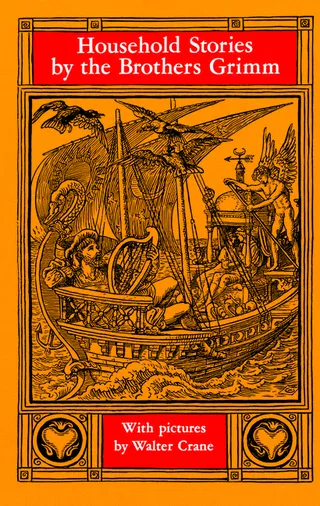
Household Stories by the Brothers Grimm
Report an issue
Tell us what's wrong and we'll take a look.
Thanks – we got it. We'll review and follow up if needed.

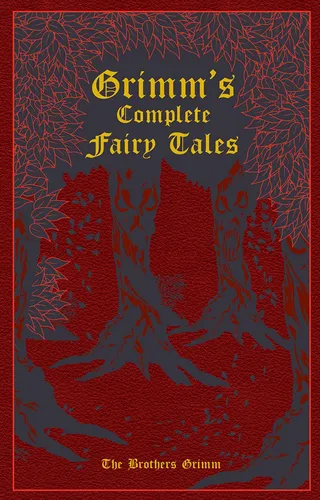
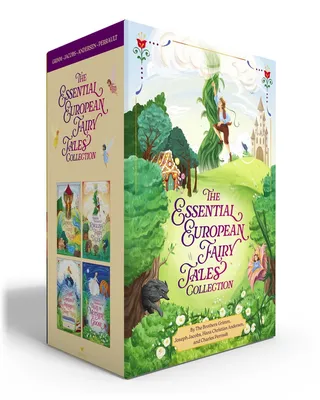
The primal beating heart at the center of much of the Western literary canon can be found in the folk stories, myths, and fairy tales collected by the amateur folklorists Wilhelm and Jacob Grimm. Surprisingly graphic in comparison to their sanitized twentieth-century retellings, these intense tales are not for the faint at heart. A must-read for any fan of folklore.
Wilhelm Grimm
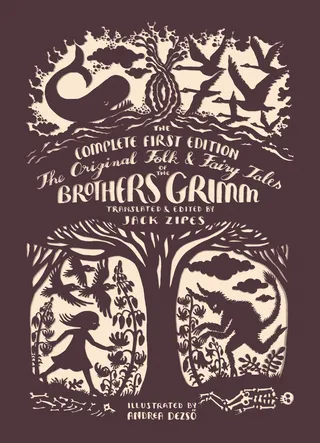
Wilhelm (1786–1859) and Jacob (1785–1863) Grimm were two German brothers who are best known for their collection of fairy tales. After studying law and linguistics, the brothers began collecting folktales and published their first volume in 1812. These tales became wildly popular and have been published in over 100 different languages, influencing children’s literature and pop culture around the world. In addition to their academic contributions, the brothers were supporters of the nationalistic movement in Germany and played a role in shaping German cultural identity through their work.
More by Wilhelm Grimm
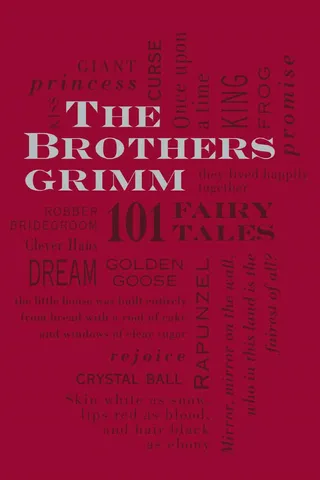
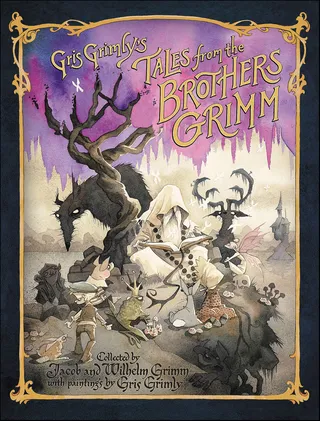
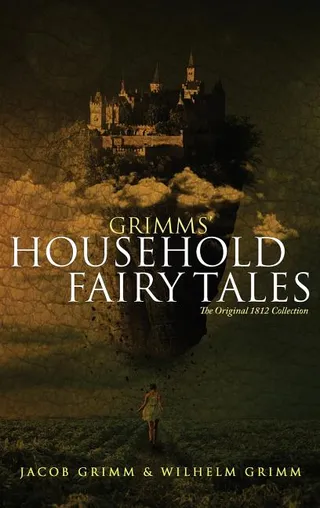

Jacob Grimm
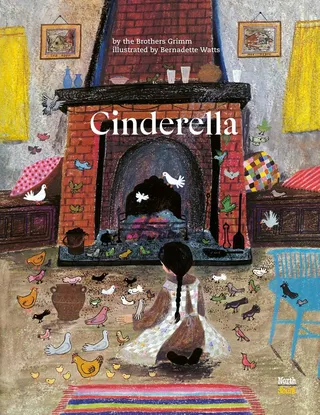
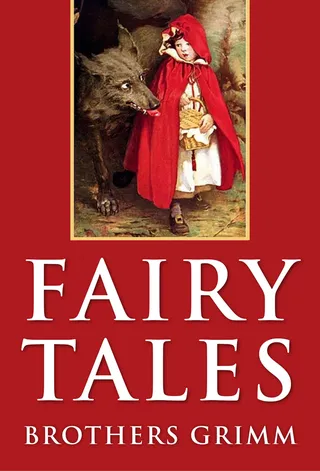
Jacob Ludwig Carl Grimm and Wilhelm Carl Grimm, a.k.a. The Brothers Grimm were German linguists and folklorists best known for their Kinder- und Hausmärchen ("Children's and Household Tales"). For a time they worked as librarians, which paid little but gave them time to research German folk music and tales. The brothers got many of their children's stories from Wilhelm's wife Henriette Dorothea (Dortchen) Wild; she and her mother and sisters came from a storytelling family that loved telling and retelling old tales. The Grimm's collection popularized classics such as Cinderella, Tom Thumb, Little Red Riding Hood, The Frog Prince, Rumpelstiltskin, Snow White, Sleeping Beauty, Hansel and Gretel, The Golden Goose, and many, many more.
More by Jacob Grimm


Why Readwise Books?
Readwise Books is an ebook & audiobook platform that automatically logs how much you and your friends read, making it fun and easy to read more. Learn more →