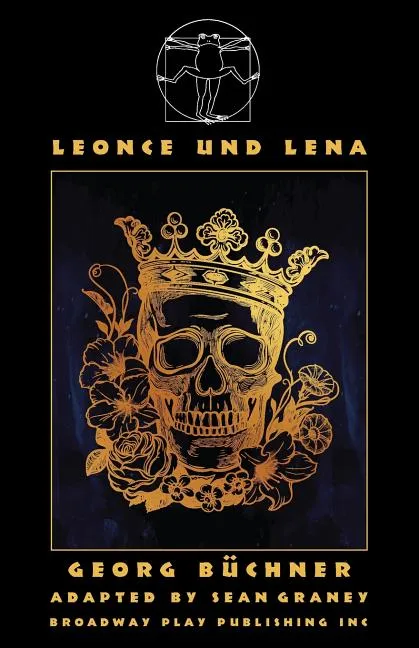
Leonce Und Lena
Report an issue
Tell us what's wrong and we'll take a look.
Thanks – we got it. We'll review and follow up if needed.
"Georg Büchner's three surviving dramatic texts show the playwright wrestling with divergent styles in a struggle to convey his bleak worldview. ...Sean Graney reveal[s] much the same process. Both artists want to build on centuries-old theatrical traditions yet shred the niceties of conventional theater to expose life's raw nerves...
...Graney exploits his trademark techniques--stark design, inflated acting, self-reflexive presentation--to create an explosive, richly unpleasant affair....
Büchner poured every ounce of his cynicism into Prince Leonce, whose absurd battle with boredom fuels LEONCE UND LENA. Leonce can find nothing better to do with his days than spit on a rock 365 times in a row, convinced that human beings `fall in love, marry, and multiply out of boredom, and finally they die out of boredom.' His childish father has betrothed him to the Princess Lena, a plan that will greatly interfere with Leonce's commitment to idleness.... Since Büchner is satirizing the theatrical conventions of his day, she's earnestly trying to become a fairy-tale princess, spouting poetic rhapsodies about flowers and dragonflies--while wrestling with the realization that `there are people who are unhappy, incurably so, simply because they exist.'
For this play Büchner drew heavily on the conventions of commedia dell'arte, then a nearly 300-year-old tradition of stock rustic characters in cartoonish, often ribald situations. Graney transforms the genre into menacing farce, inflating the characters' passions to such volatile extremes that they often quake as though ready to explode."
Justin Hayford, The Chicago Reader



Why Readwise Books?
Readwise Books is an ebook & audiobook platform that automatically logs how much you and your friends read, making it fun and easy to read more. Learn more →