Report an issue
Tell us what's wrong and we'll take a look.
Thanks – we got it. We'll review and follow up if needed.
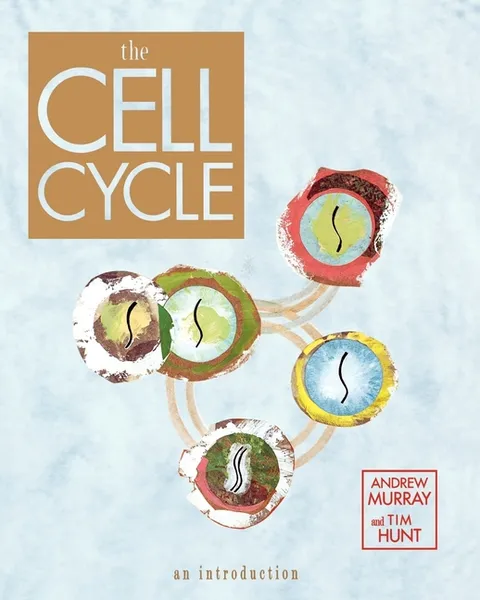
In the last decade there has been a revolution in our comprehension of how cells grow and divide. Results from experiments on yeast, embryos, and cultured mammalian cells have unified seemingly disparate viewpoints into a single set of principles for normal cellular reproduction in plants, animals and bacteria. Written by two leading participants in that revolution, The Cell Cycle provides the first thorough, authoritative account of the new philosophy of normal cellular reproduction and how it emerged. It is a vivid portrayal of the molecular logic of the cell: how the cell engine induces DNA replication and chromosome replication; how the integrity of genetic information is preserved; and how cell size and environmental signals regulate the cycle of growth and division. By describing important breakthroughs in their historical and experimental context, The Cell Cycle traces the development of the new vision of cell biology and shows its relevance to other areas of modern biology. It is the ideal introduction to the current understanding of cell growth and division for advanced undergraduate and graduate level cell biology courses.
Tim Hunt
Tim Hunt received his PhD in biochemistry from Cambridge University, where he supervised undergraduates in cell biology for more than 20 years. He spent many summers in the late 1970s and early 1980s teaching and researching at the MBL, Woods Hole, Massachusetts. In 1990, he moved to Cancer Research UK, where he worked on the control of the cell cycle. He retired from active research in 2011, and since 2016 has been at OIST in Japan. He is a Fellow of The Royal Society of London and a foreign associate of the US National Academy of Sciences. In recognition of his contribution to the "Discovery of key regulators of the cell cycle," he received a share of the 2001 Nobel Prize for Physiology or Medicine.





Why Readwise Books?
Readwise Books is an ebook & audiobook platform that automatically logs how much you and your friends read, making it fun and easy to read more. Learn more →