We Philologists
Report an issue
Tell us what's wrong and we'll take a look.
Thanks – we got it. We'll review and follow up if needed.
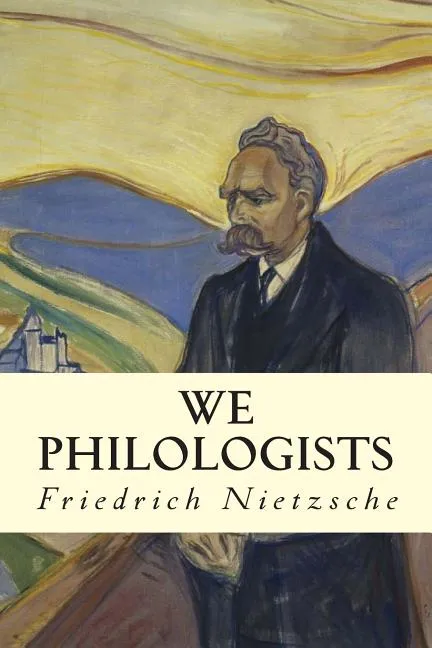
Delve into the foundational texts of classical philology with "We Philologists," Volume 8 of 18 from the collected works of Friedrich Nietzsche. This volume offers a fascinating glimpse into Nietzsche's early career and his profound engagement with linguistics and the study of classical texts. As a cornerstone of literary criticism and philosophical thought, this work showcases Nietzsche's unique perspective on language and its impact on understanding ancient cultures. Explore the roots of his philosophical development through his meticulous analysis and groundbreaking insights into classical literature. This enduring work remains essential reading for anyone interested in the history of ideas, the evolution of language, and the intersection of philosophy and literary studies. A vital resource for students and scholars alike, this meticulously prepared print edition ensures the accessibility of Nietzsche's important contributions to the field.
This work has been selected by scholars as being culturally important, and is part of the knowledge base of civilization as we know it.
This work is in the public domain in the United States of America, and possibly other nations. Within the United States, you may freely copy and distribute this work, as no entity (individual or corporate) has a copyright on the body of the work.
Scholars believe, and we concur, that this work is important enough to be preserved, reproduced, and made generally available to the public. We appreciate your support of the preservation process, and thank you for being an important part of keeping this knowledge alive and relevant.
Friedrich Wilhelm Nietzsche
Friedrich Nietzsche (1844-1900) was a German philosopher and philologist whose best-known works include Thus Spoke Zarathustra; Ecce Homo; Human, All Too Human; and Beyond Good and Evil. Much of his work is characterized by radical questioning of the value and objectivity of truth and criticism of traditional ideals of morality. Nietzsche's writings were significant influences on the existentialist, nihilist, and postmodernist schools of thought, as well as on the work of such later writers as Herman Hesse, Albert Camus, Sigmund Freud, and Jean-Paul Sartre.
More by Friedrich Wilhelm Nietzsche







Why Readwise Books?
Readwise Books is an ebook & audiobook platform that automatically logs how much you and your friends read, making it fun and easy to read more. Learn more →