
Love-Letters Between A Nobleman And His Sister
Report an issue
Tell us what's wrong and we'll take a look.
Thanks – we got it. We'll review and follow up if needed.
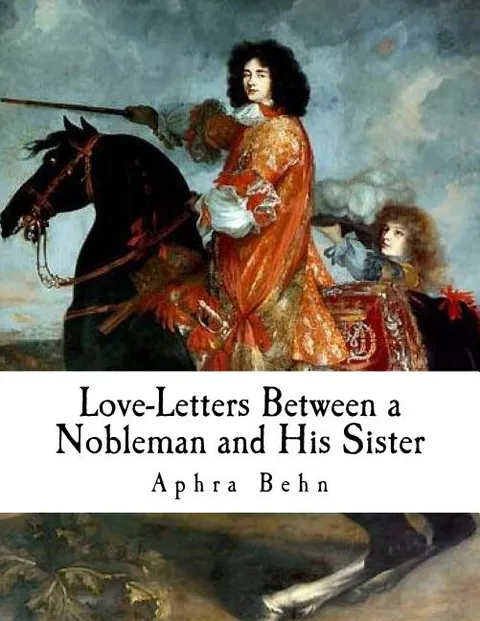
Love-letters between a nobleman and his sister presents an epistolary exploration of desire, betrayal, and political intrigue shaped through intimate correspondence. The narrative examines forbidden affection entangled with ambition, secrecy, and shifting loyalties, revealing how private passion collides with public consequence. Through letters, the novel traces emotional volatility, manipulation, and the gradual erosion of trust as relationships become increasingly complicated by jealousy and self interest. The work reflects on power, gender constraint, and moral ambiguity, portraying love as both a source of rebellion and personal ruin. Political unrest and exile intensify emotional instability, while deception and ambition drive characters toward disillusionment. The text challenges idealized romance by exposing emotional excess, vulnerability, and the consequences of unchecked desire. As affection gives way to rivalry and control, the novel emphasizes psychological depth and emotional realism. Overall, the work stands as an early examination of intimacy, agency, and the social costs of transgressive relationships expressed through personal narrative.
Aphra Behn
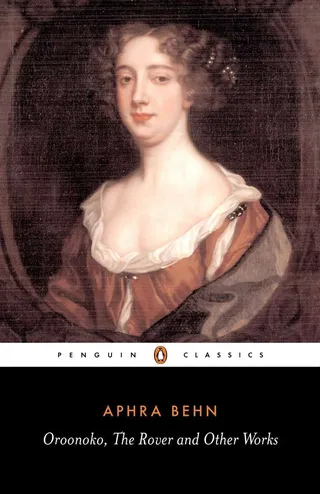
Born in the first few decades of the seventeenth century, Aphra Behn is one of early literature’s best-known female writers. Behn had the lucky distinction of being able to support herself strictly by her “pen,” something unheard of for women of her time. Throughout her long career, she wrote in various forms—poetry, plays, prose—and is known as a member of the ‘fair triumvirate of wit’ alongside fellow scribes Eliza Haywood and Delarivier Manley. Although little is known about her early life, Behn’s father held a post as lieutenant governor of Surinam, and Behn’s experiences during her stay most likely formed the basis for her most famous work, Oroonoko. Behn was also a popular dramatist in her time, penning critical successes like The Rover and The Feigned Courtesans. Her literary exploits aside, Behn is also known to have acted as a political spy for King Charles II of England during the Second Anglo-Dutch War. Behn died in 1689, and is buried in Westminster Abbey.
More by Aphra Behn







Why Readwise Books?
Readwise Books is an ebook & audiobook platform that automatically logs how much you and your friends read, making it fun and easy to read more. Learn more →