Report an issue
Tell us what's wrong and we'll take a look.
Thanks – we got it. We'll review and follow up if needed.
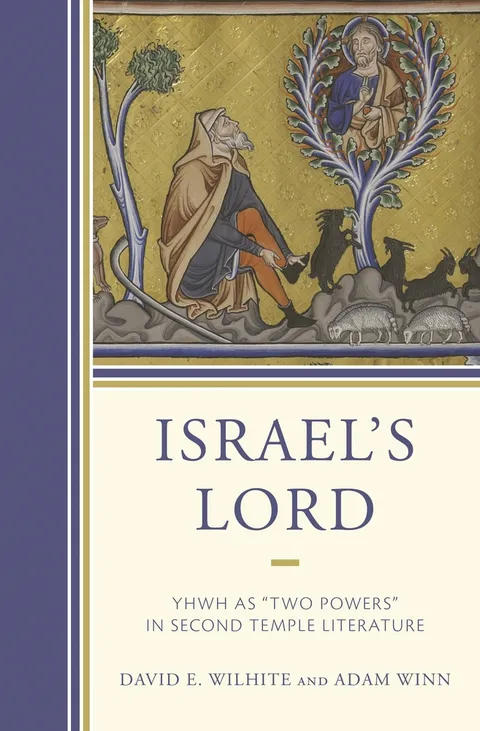
Israel's Lord: YHWH as “Two Powers” in Second Temple Literature addresses the nature of Jewish monotheism in Second Temple literature, advancing an argument that much of the literature reflects the existence of two powers in heaven that are both rightly understood as YHWH. To this end, Wilhite and Winn review various figures such God's Word, God's Wisdom, the Angel of the Lord, the Son of Man, and others that bear features closely associate with the God of Israel. Using criteria related to these features they argue that most, though not all, of these figures are rightly identified as the figure who appeared in Israel's scriptures and was called YHWH. Such a “two powers” paradigm is relevant for understanding early Christian commitments regarding Jesus. The debate about Jesus' divinity depends in large part on what options were available for the earliest Christians when considering his titles and status. The authors contend that with such a “two powers” paradigm available to the earliest Christians, it should inform any reading of New Testament texts and their varying depictions of Jesus as “Lord.”
David E Wilhite
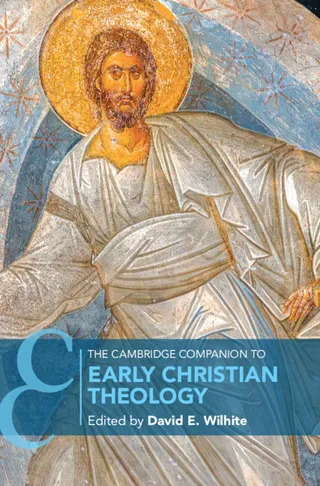
David E. Wilhite (PhD, University of St. Andrews) is professor of historical theology at George W. Truett Theological Seminary, Baylor University, in Waco, Texas, where he teaches courses on early Christian history. He is the author of The Gospel According to Heretics and Ancient African Christianity, coauthor (with Matt Jensen) of The Church: A Guide for the Perplexed, editor of The Cambridge Companion to Early Christian Theology, and coeditor of The Cambridge History of Ancient Christianity.
More by David E Wilhite


Adam Winn
Adam Winn serves as an adjunct professor at Azusa Pacific University and the University of Mary Hardin-Baylor. He is the author of The Purpose of Mark's Gospel: An Early Christian Response to Roman Imperial Propaganda (2008).
More by Adam Winn



Why Readwise Books?
Readwise Books is an ebook & audiobook platform that automatically logs how much you and your friends read, making it fun and easy to read more. Learn more →