Report an issue
Tell us what's wrong and we'll take a look.
Thanks – we got it. We'll review and follow up if needed.
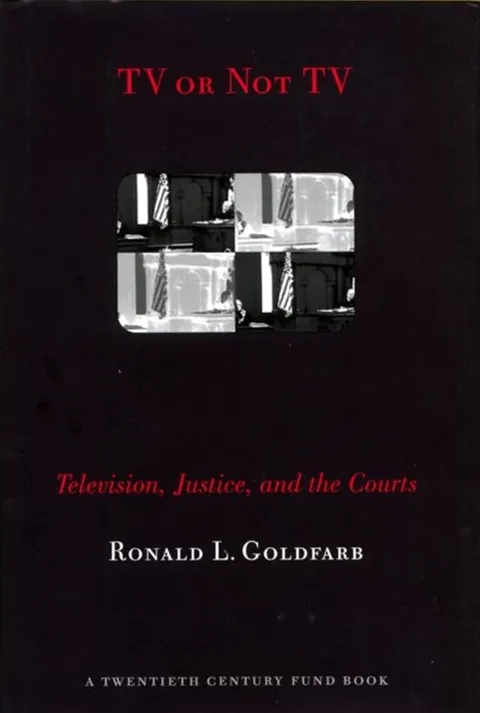
In the last quarter century, televised court proceedings have gone from an outlandish idea to a seemingly inevitable reality. Yet,debate continues to rage over the dangers and benefits to the justice system of cameras in the courtroom. Critics contend television transforms the temple of justice into crass theatre. Supporters maintain that silent cameras portray "the real thing," that without them judicial reality is inevitably filtered through the mind and pens of a finite pool of reporters.
Television in a courtroom is clearly a two-edged sword, both invasive and informative. Bringing a trial to the widest possible audience creates pressures and temptations for all participants. While it reduces speculations and fears about what transpired, television sometimes forces the general public, which possesses information the jury may not have, into a conflicting assessment of specific cases and the justice system in general.
TV or Not TV argues convincingly that society gains much more than it loses when trials are open to public scrutiny and discussion.
Ronald L. Goldfarb
Ronald Goldfarb, Washington DC attorney, author and literary agent studied at Syracuse University (A.B., LL. B.) and Yale Law School (LLM, JSD), worked for three years as a trial counsel in the U.S. Air Force JAG Corps, and for Attorney General Robert F. Kennedy for four years in the Justice Department prosecuting organized crime cases and in New York as Kennedy's speech writer in the 1964 election. His website (www.ronaldgoldfarb.com) lists his many writings and unique role in public affairs to the present.
More by Ronald L. Goldfarb


Why Readwise Books?
Readwise Books is an ebook & audiobook platform that automatically logs how much you and your friends read, making it fun and easy to read more. Learn more →