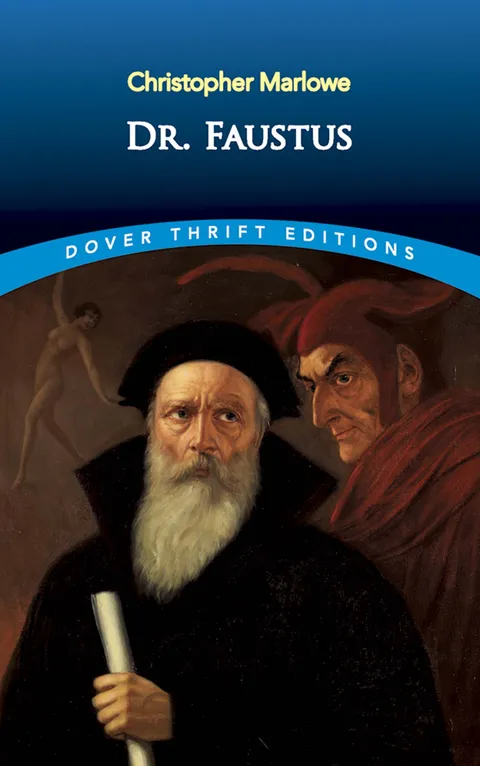
Dr. Faustus
Report an issue
Tell us what's wrong and we'll take a look.
Thanks – we got it. We'll review and follow up if needed.
One of the most durable myths in Western culture, the story of Faust tells of a learned German doctor who sells his soul to the devil in exchange for knowledge and power. Early enactments of Faust's damnation were often the raffish fare of clowns and low comedians. But the young Elizabethan playwright Christopher Marlowe (1564–1593) recognized in the story of Faust's temptation and fall the elements of tragedy.
In his epic treatment of the Faust legend, Marlowe retains much of the rich phantasmagoria of its origins. There are florid visions of an enraged Lucifer, dueling angels, the Seven Deadly Sins, Faustus tormenting the Pope, and his summoning of the spirit of Alexander the Great. But the playwright created equally powerful scenes that invest the work with tragic dignity, among them the doomed man's calling upon Christ to save him and his ultimate rejection of salvation for the embrace of Helen of Troy.
With immense poetic skill, and psychological insight that foreshadowed the later work of Shakespeare and the Jacobean playwrights, Marlowe created in Dr. Faustus one of the first true tragedies in English. Vividly dramatic, rich in poetic grandeur, this classic play remains a robust and lively exemplar of the glories of Elizabethan drama.
Christopher Marlowe
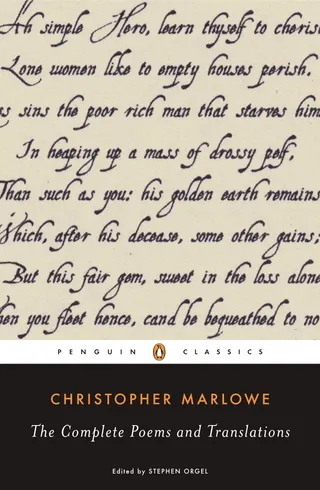
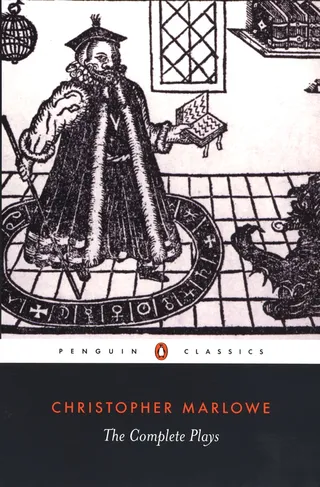
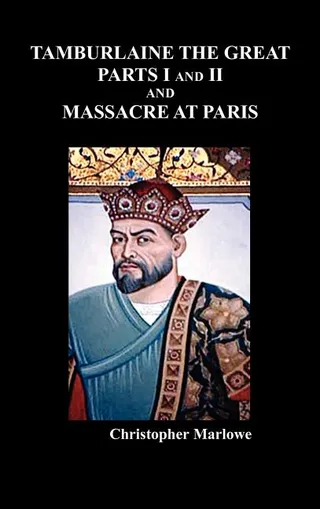
Christopher Marlowe was a playwright, poet, scholar, translator and alleged spy. His other works include: Dido Queen of Carthage, Tamburlaine Part 1, Tamburlaine Part 2, The Jew of Malta, Edward II and The Massacre at Paris. He was murdered at the age of 29, in a private dining house in Deptford in 1593.
More by Christopher Marlowe




Why Readwise Books?
Readwise Books is an ebook & audiobook platform that automatically logs how much you and your friends read, making it fun and easy to read more. Learn more →