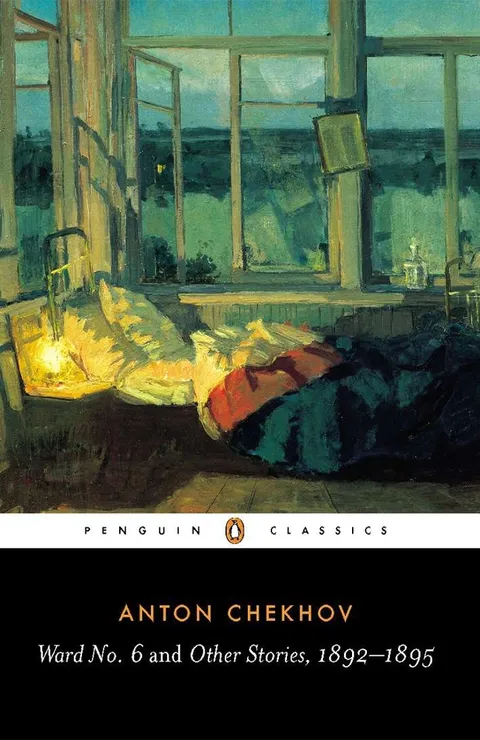
Ward No. 6 and Other Stories, 1892-1895
Report an issue
Tell us what's wrong and we'll take a look.
Thanks – we got it. We'll review and follow up if needed.
Ward No. 6 and Other Stories 1892-1895 collects stories which show Anton Chekhov beginning to confront complex, ambiguous and often extreme emotions in his short fiction. These stories from the middle period of Chekhov's career include - influenced by his own experiences as a doctor - 'Ward No. 6', a savage indictment of the medical profession set in a mental hospital; 'The Black Monk', portraying an academic who has strange hallucinations, explores ideas of genius and insanity; 'Murder', in which religious fervour leads to violence; while in 'The Student', Chekhov's favourite story, a young man recounts a tale from the gospels and undergoes a spiritual epiphany. In all the stories collected here, Chekhov's characters face madness, alienation and frustration before they experience brief, ephemeral moments of insight, often earned at great cost, where they confront the reality of their existence.
This is the second in three chronological volumes of Chekhov's short stories in Penguin Classics. Ronald Wilks's lucid translation is accompanied by an introduction discussing the increasingly experimental style of Chekhov's writing during this time. This edition also contains an annotated bibliography, chronology and explanatory notes.
For more than seventy years, Penguin has been the leading publisher of classic literature in the English-speaking world. With more than 1,700 titles, Penguin Classics represents a global bookshelf of the best works throughout history and across genres and disciplines. Readers trust the series to provide authoritative texts enhanced by introductions and notes by distinguished scholars and contemporary authors, as well as up-to-date translations by award-winning translators.
Anton Chekhov
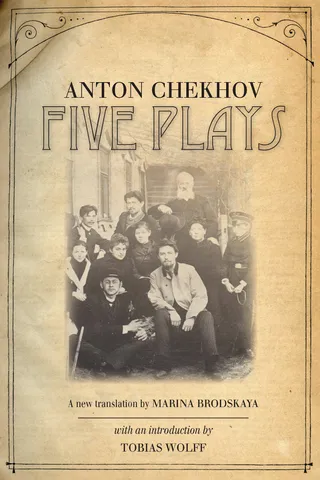
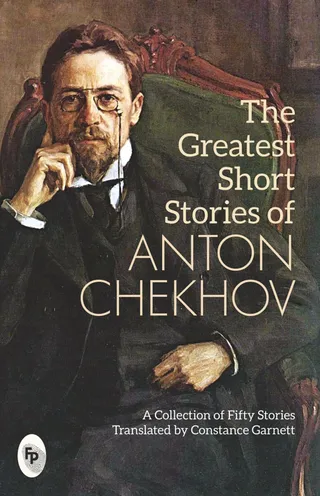
Anton Chekhov was born in Taganrog, in southern Russia, and in his youth paid for his own education and supported his entire family by writing short, satirical sketches of Russian life. Though he eventually became a physician and once considered medicine his principal career, he continued to gain popularity and praise as a writer for various Russian newspapers, eventually authoring more literary work and ultimately his most well-known plays, including Ivanov, The Seagull, and Uncle Vanya. He died of tuberculosis in 1904, and is regarded as one of the best short story writers in history, influencing such authors as Ernest Hemingway, Vladimir Nabokov, and Raymond Carver.
More by Anton Chekhov






Why Readwise Books?
Readwise Books is an ebook & audiobook platform that automatically logs how much you and your friends read, making it fun and easy to read more. Learn more →