
Report an issue
Tell us what's wrong and we'll take a look.
Thanks – we got it. We'll review and follow up if needed.

Geoffrey Chaucer's 'House of Fame' is a surreal account of a dream in which the poet visits the palace where Fame herself sits in state. Chaucer's tour-guide to this strange corner of the medieval universe is a comically garrulous eagle, and there is even time for the pair to stop by the House of Rumour. Simon Webb's highly accessible modern English verse translation conveys the humour and colour of Chaucer's original, and Simon's introduction explains why the poem is worthy of comparison with Chaucer's better-known 'Canterbury Tales'.With introduction, glossary and bibliography.
Geoffrey Chaucer
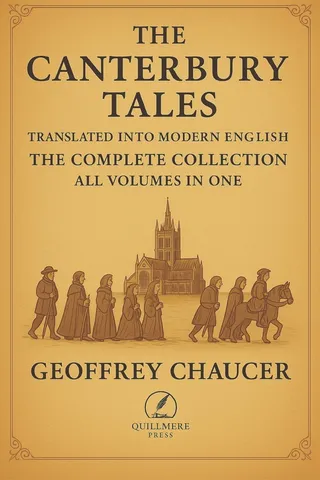
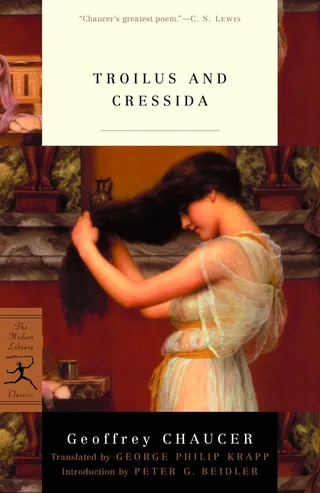
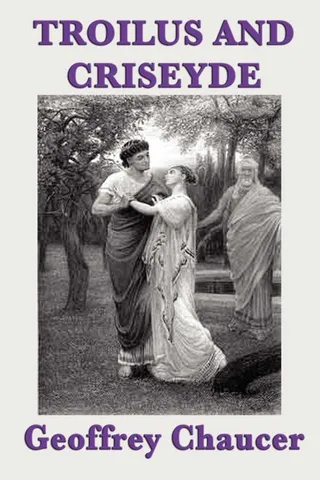
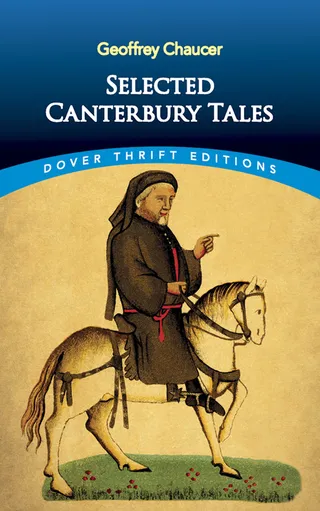
Often referred to as the father of English poetry, Geoffrey Chaucer was a fourteenth-century philosopher, alchemist, astrologer, bureaucrat, diplomat, and author of many significant poems. Chaucer’s writing was influential in English literary tradition, as it introduced new rhyming schemes and helped develop the vernacular tradition—the use of everyday English—rather than the literary French and Latin, which were common in written works of the time. Chaucer’s best-known—and most imitated—works include The Canterbury Tales, Troilus and Criseyde, The Book of the Duchess, and The House of Fame.
More by Geoffrey Chaucer
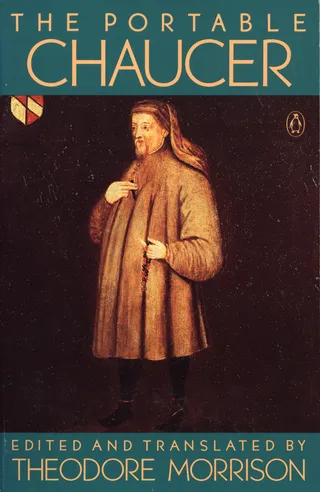
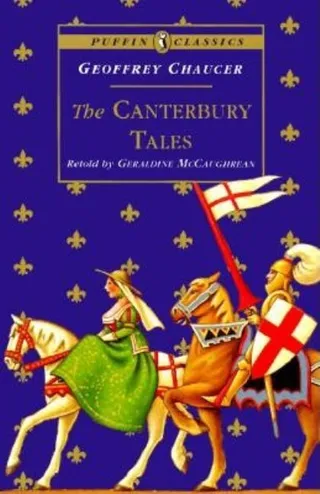
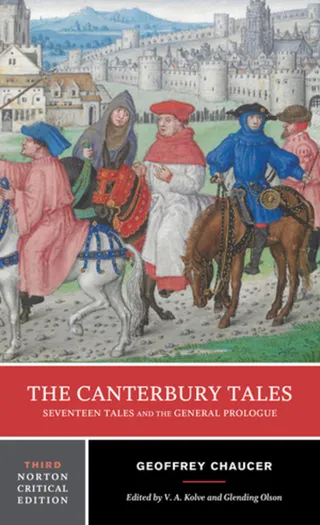
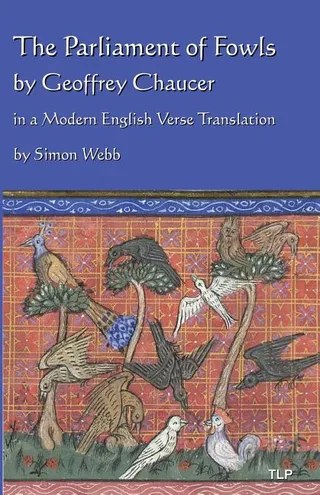
Simon Webb
Translated by
Simon Webb is the author of a number of non-fiction books, ranging from academic works on education to popular history. He works as a consultant on the subject of capital punishment to television companies and filmmakers and also writes for various magazines and newspapers; including the Times Educational Supplement, Daily Telegraph and the Guardian.


Why Readwise Books?
Readwise Books is an ebook & audiobook platform that automatically logs how much you and your friends read, making it fun and easy to read more. Learn more →