Report an issue
Tell us what's wrong and we'll take a look.
Thanks – we got it. We'll review and follow up if needed.
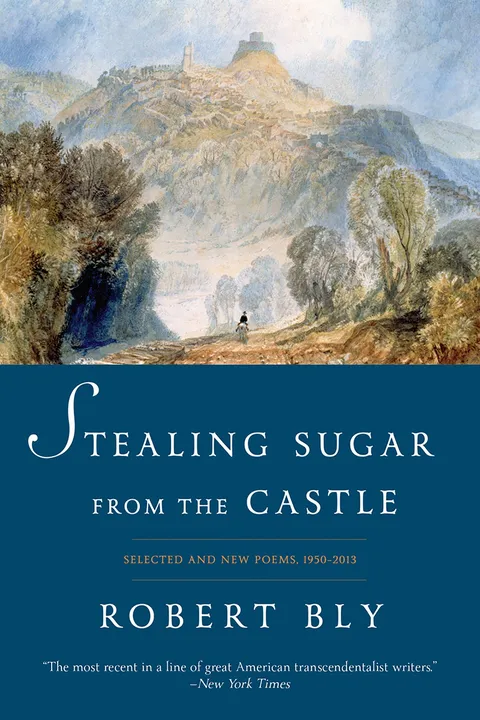
“[Robert Bly] is . . . the most recent in a line of great American transcendentalist writers.”—New York Times
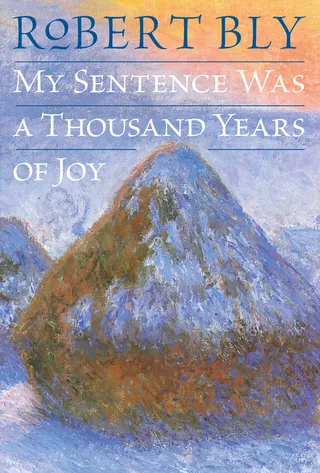
Selected from throughout Robert Bly’s monumental body of work from 1950 through the present, Stealing Sugar from the Castle represents the culmination of an astonishing career in American letters.Bly has long been the voice of transcendentalism and meditative mysticism for his generation. Influenced by Emerson and Thoreau, inspired by spiritual traditions from Sufism to Gnosticism, his vision is “oracular” (Antioch Review). From the rich, earthy simplicity of Silence in the Snowy Fields (1962) to the wild yet intricately formal ghazals of My Sentence Was a Thousand Years of Joy (2005) and the striking richness and authority of Talking into the Ear of a Donkey (2011), Bly’s poetry is spiritual yet worldly, celebrating the uncanny beauty of the everyday. “I am happy, / The moon rising above the turkey sheds. // The small world of the car / Plunges through the deep fields of the night,” he writes in “Driving Toward the Lac Qui Parle River.” Here is a poet moved by the mysteries of the world around him, speaking the language of images in a voice brilliant and bold.
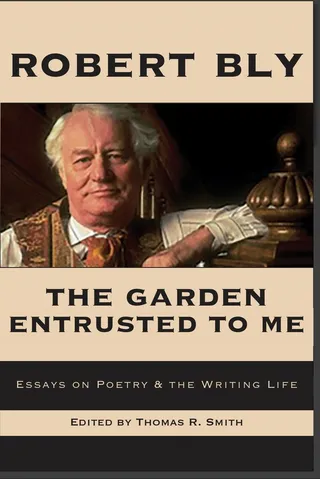
Robert Bly
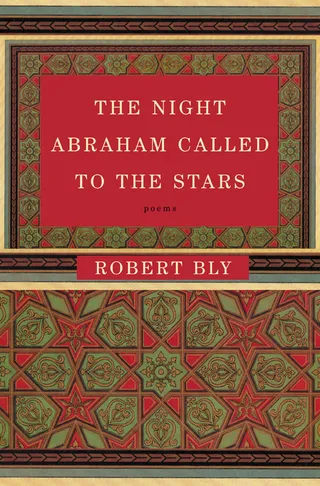
Robert Bly's books of poetry include The Night Abraham Called to the Stars and My Sentence Was a Thousand Years of Joy. His awards include the National Book Award for poetry and two Guggenheims. He lived in Minneapolis, Minnesota.
More by Robert Bly


Why Readwise Books?
Readwise Books is an ebook & audiobook platform that automatically logs how much you and your friends read, making it fun and easy to read more. Learn more →