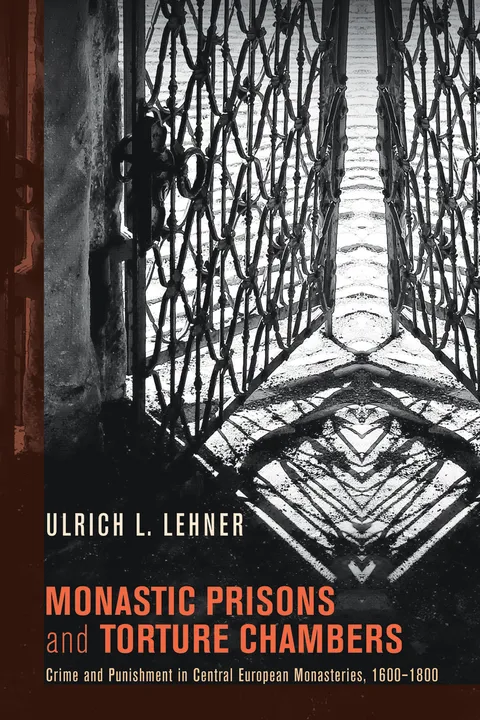
Monastic Prisons and Torture Chambers
Crime and Punishment in Central European Monasteries, 1600–1800
Report an issue
Tell us what's wrong and we'll take a look.
Thanks – we got it. We'll review and follow up if needed.
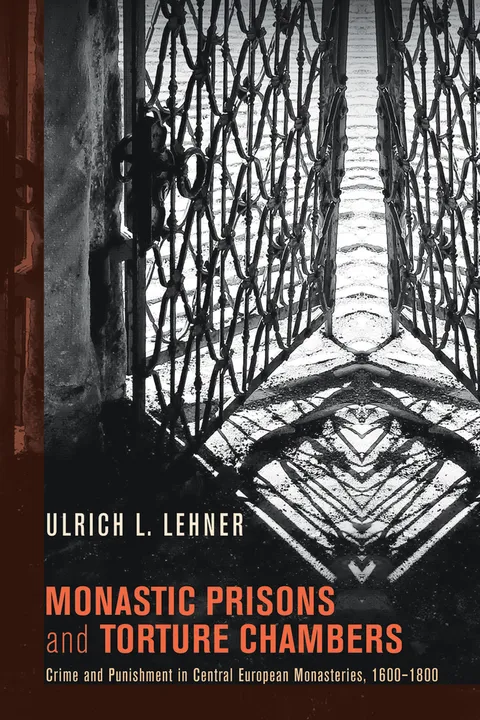
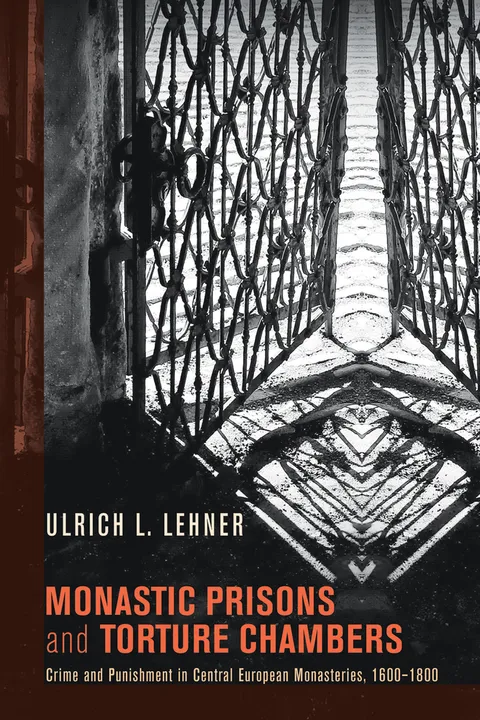
Following the Council of Trent (1545-1563), Catholic religious orders underwent substantial reform. Nevertheless, on occasion monks and nuns had to be disciplined and--if they had committed a crime--punished. Consequently, many religious orders relied on sophisticated criminal law traditions that included torture, physical punishment, and prison sentences. Ulrich L. Lehner provides for the first time an overview of how monasteries in central Europe prosecuted crime and punished their members, and thus introduces a host of new questions for anyone interested in state-church relations, gender questions, the history of violence, or the development of modern monasticism.
Ulrich L Lehner
Ulrich L. Lehner (PhD, University of Regensburg; DHabil, Central European University) is the William K. Warren Professor of Theology at the University of Notre Dame in Notre Dame, Indiana. He is a trained philosopher, theologian, and historian and has published widely on the history of religion, culture, and thought. Among his more than 20 authored and edited books is the bestseller God Is Not Nice and the groundbreaking Catholic Enlightenment. Lehner lectures at universities worldwide and is frequently interviewed in the media. He has been featured on CNN and in the Washington Post and the National Review.
More by Ulrich L Lehner







Why Readwise Books?
Readwise Books is an ebook & audiobook platform that automatically logs how much you and your friends read, making it fun and easy to read more. Learn more →