Report an issue
Tell us what's wrong and we'll take a look.
Thanks – we got it. We'll review and follow up if needed.
The history of this new form is of necessity brief. Before its vogue became general, one-act plays were being presented in vaudeville houses in this country and were being used as curtain raisers in London theatres for the purpose of marking time until the late-dining audiences should arrive. With the exception of the famous Grand Guignol Theatre in Paris, where the entertainment for an evening might consist of several one-act plays, all of the hair-raising, blood-curdling variety, programs composed entirely of one-act plays were rare. Sir James Matthew Barrie is usually credited with being the first in England to write one-act plays intended to be grouped in a single production. A program of this character has been uncommon in the commercial theatre in America, but three of Barrie's one-act plays, constituting a single program, have met with enthusiastic response from American audiences.
Joseph Jacobs
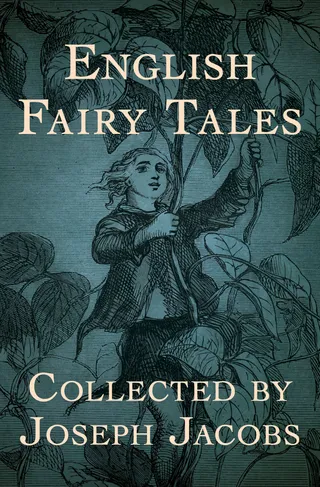
Joseph Jacobs (1854–1916) was an Australian-born writer who is best remembered for his collections of folklore. Jacobs spent much of his life studying literature, and he was an advocate against antisemitism. Inspired by Charles Perrault, the Grimm brothers, and the romantic nationalism movement, he collected English fairy tales so that English children could read stories from their own heritage. Additionally, he published collections of Celtic and Indian tales.
More by Joseph Jacobs







Why Readwise Books?
Readwise Books is an ebook & audiobook platform that automatically logs how much you and your friends read, making it fun and easy to read more. Learn more →