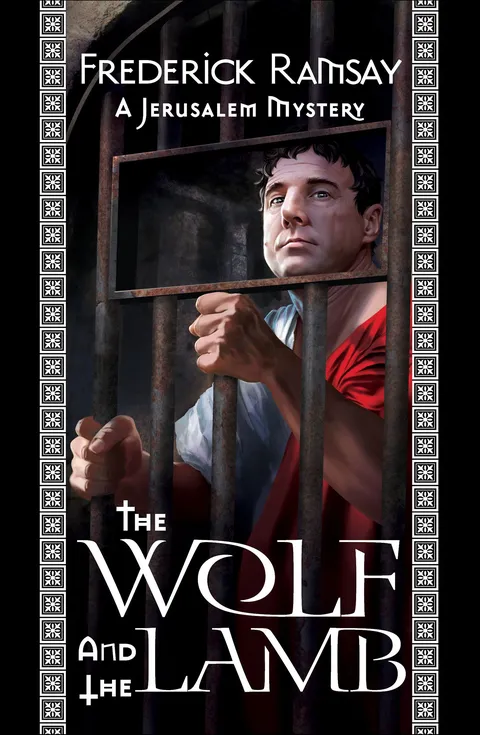
The Wolf and the Lamb
Report an issue
Tell us what's wrong and we'll take a look.
Thanks – we got it. We'll review and follow up if needed.
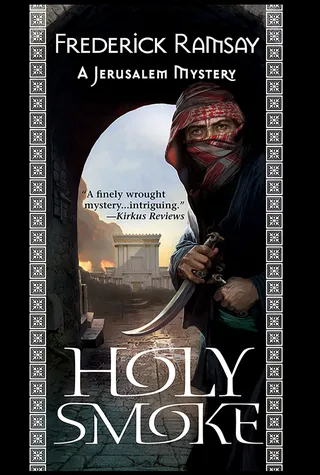
It's Passover. Gamaliel and his physician friend, Loukas, are crime-solving a third time—reluctantly. Pontius Pilate has been accused of murder. He denies the crime. If convicted, he might escape death but would be removed from Judea. Those rejoicing urge the Rabban to mind his own business. But Gamaliel is a just man which is, as Pilate says to him, "your weakness and also your strength." Knowing that exonerating the Roman could cost him his position, possibly his life, Gamaliel, as would Sherlock Holmes centuries later, examines evidence and sorts through tangled threads, teasing out suspects who include assassins, Roman nobles, Pilate's wife, rogue legionnaires, slaves, servants, and thespians. Unusually, justice triumphs over enmity. Gamaliel is satisfied, High Priest Caiaphas is irate, Loukas accepts an apprentice from Tarsus, and few notice the events of what will later be known as Easter. Ramsay's plausible narrative answers some questions which have puzzled Biblical scholars for centuries. Why did Pilate hear the case against Jesus? Why invent a tradition that required one prisoner be released at Passover? And we ask, why could Caiaphas not heed Gamaliel's warnings not to martyr the man?
Frederick Ramsay
Jeff Ramsay is a co-founder and principal at Livingstone Kolobeng College in Gaborone, Botswana and research associate with the Department of History of the University of Botswana. He has published numerous articles as well as books on Botswana's history in popular print and social media as well as in academic publications. From 2003 to 2018, he was a senior official working in Botswana's Office of the President.
More by Frederick Ramsay




















Why Readwise Books?
Readwise Books is an ebook & audiobook platform that automatically logs how much you and your friends read, making it fun and easy to read more. Learn more →