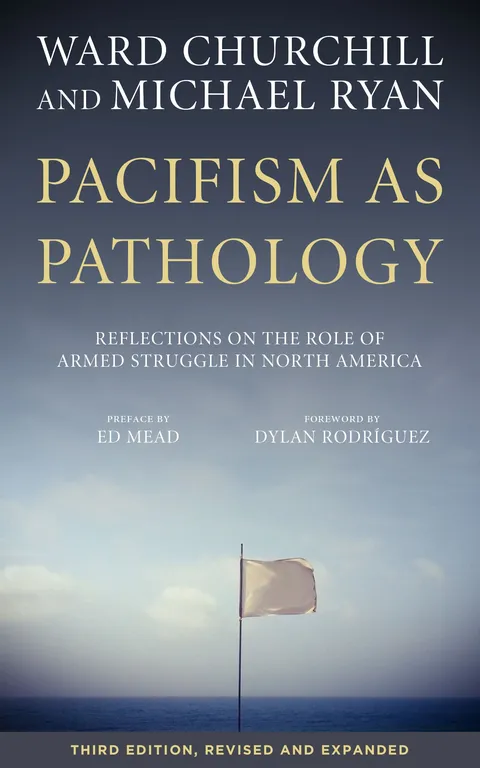
Pacifism as Pathology
Reflections on the Role of Armed Struggle in North America
Report an issue
Tell us what's wrong and we'll take a look.
Thanks – we got it. We'll review and follow up if needed.
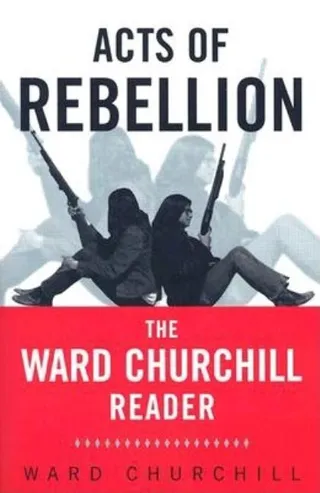
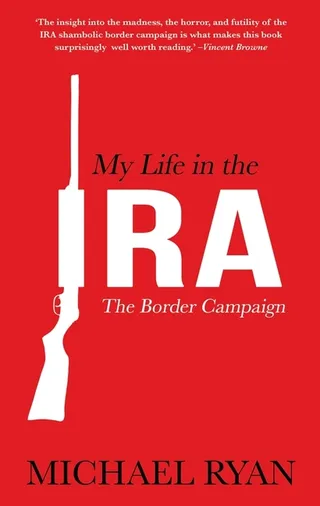
Pacifism as Pathology has long since emerged as a dissident classic. Originally written during the mid-1980s, the seminal essay “Pacifism as Pathology” was prompted by veteran activist Ward Churchill’s frustration with what he diagnosed as a growing—and deliberately self-neutralizing—”hegemony of nonviolence” on the North American left. The essay’s publication unleashed a raging debate among activists in both the U.S. and Canada, a significant result of which was Michael Ryan’s penning of a follow-up essay reinforcing Churchill’s premise that nonviolence, at least as the term is popularly employed by white “progressives,” is inherently counterrevolutionary, adding up to little more than a manifestation of its proponents’ desire to maintain their relatively high degrees of socioeconomic privilege and thereby serving to stabilize rather than transform the prevailing relations of power.
This short book challenges the pacifist movement’s heralded victories—Gandhi in India, 1960s antiwar activists, even Martin Luther King Jr.’s civil rights movement—suggesting that their success was in spite of, rather than because of, their nonviolent tactics. Churchill also examines the Jewish Holocaust, pointing out that the overwhelming response of Jews was nonviolent, but that when they did use violence they succeeded in inflicting significant damage to the nazi war machine and saving countless lives.
As relevant today as when they first appeared, Churchill’s and Ryan’s trailblazing efforts were first published together in book form in 1998. Now, along with the preface to that volume by former participant in armed struggle/political prisoner Ed Mead, postscripts by both Churchill and Ryan, and a powerful new foreword by leading oppositionist intellectual Dylan Rodríguez, these vitally important essays are being released in a fresh edition.
Ward Churchill
Ward Churchill is an American author and political activist. He was a professor of ethnic studies at the University of Colorado Boulder from 1990 until 2007. The primary focus of his work focuses the historical treatment of political dissenters and Native Americans by the United States government. He was a member of the Governing Council of the Colorado chapter of the American Indian Movement.
More by Ward Churchill







Why Readwise Books?
Readwise Books is an ebook & audiobook platform that automatically logs how much you and your friends read, making it fun and easy to read more. Learn more →