Report an issue
Tell us what's wrong and we'll take a look.
Thanks – we got it. We'll review and follow up if needed.
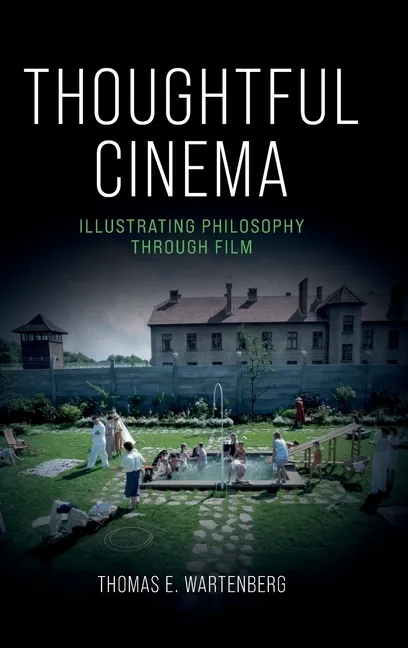
Films can do philosophy, this book argues, as a result of their ability to illustrate philosophical claims and theories. However, the films discussed in this book do much more than that: they also supplement the philosophies they illustrate by expanding their claims and criticizing their assumptions. Films, therefore, can make their own independent contributions to philosophical theory. Thoughtful Cinema shows how films grapple with philosophical ideas such as personal identity, the banality of evil, authenticity, euthanasia, third-party killing, and the power of attention. This book makes an important contribution to the debate about cinematic philosophy that has engaged both philosophers of film and film theorists for decades, and it also proves that philosophy is not just a narrow specialty, accessible only to trained practitioners. Films that do philosophy address the essential concerns of human life, and it's this characteristic-their philosophical attention--that makes them appeal to a wide audience.
Thomas E. Wartenberg
Thomas E. Wartenberg is the author of Big Ideas for Little Kids: Teaching Philosophy Through Children’s Literature and A Sneetch Is a Sneetch and Other Philosophical Discoveries: Finding Wisdom in Children’s Literature. He is former President of PLATO, the United States philosophy for children organization, and was awarded the Merritt Prize in 2013 for his contributions to the philosophy of education.
More by Thomas E. Wartenberg


Why Readwise Books?
Readwise Books is an ebook & audiobook platform that automatically logs how much you and your friends read, making it fun and easy to read more. Learn more →