Report an issue
Tell us what's wrong and we'll take a look.
Thanks – we got it. We'll review and follow up if needed.
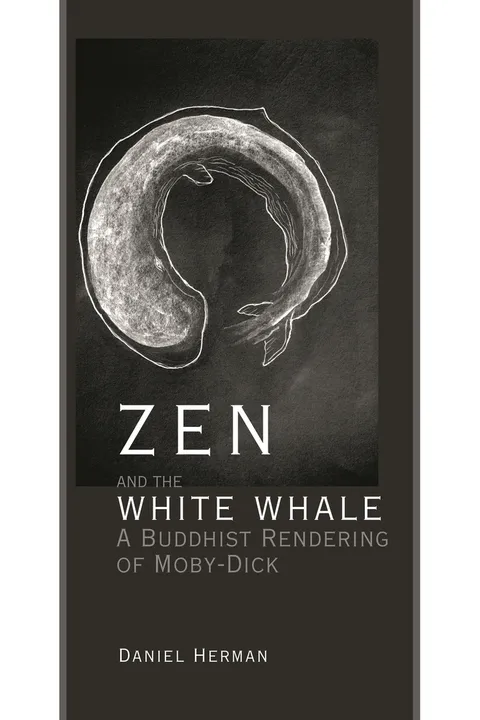
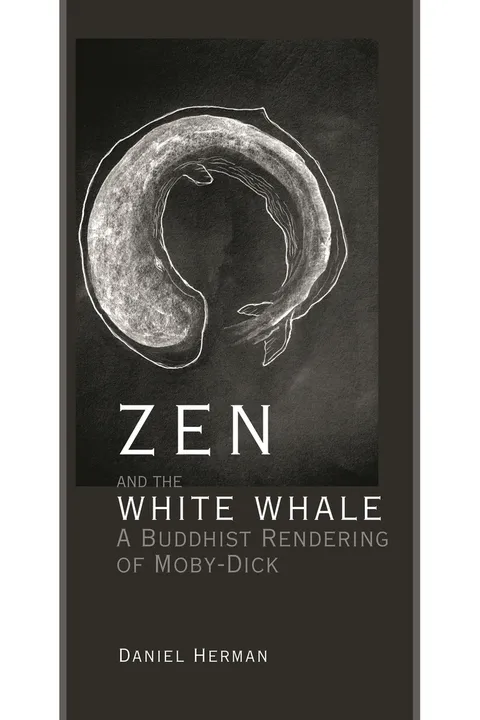
In Moby-Dick's wide philosophical musings and central narrative arch, Daniel Herman finds a philosophy very closely aligned specifically with the original teachings of Zen Buddhism. In exploring the likelihood of this hitherto undiscovered influence, Herman looks at works Melville is either known to have read or that there is a strong likelihood of his having come across, as well as offering a more expansive consideration of Moby-Dick from a Zen Buddhist perspective, as it is expressed in both ancient and modern teachings. But not only does the book delve deeply into one of the few aspects of Moby-Dick's construction left unexplored by scholars, it also conceives of an entirely new way of reading the greatest of American books--offering critical re-considerations of many of its most crucial and contentious issues, while focusing on what Melville has to teach us about coping with adversity, respecting ideological diversity, and living skillfully in a fickle, slippery world.
Daniel Herman
Daniel Herman is an American attorney and the founder and president of Hermes Press, a publishing company founded in 2001 based in New Castle, Pennsylvania, United States. He also is the person primarily in charge of finding the source material used in Hermes Press reprints as well as a comics historian, having written several books on the topic of the Silver Age of comics, and a book on Gil Kane.
More by Daniel Herman








Why Readwise Books?
Readwise Books is an ebook & audiobook platform that automatically logs how much you and your friends read, making it fun and easy to read more. Learn more →