Report an issue
Tell us what's wrong and we'll take a look.
Thanks – we got it. We'll review and follow up if needed.
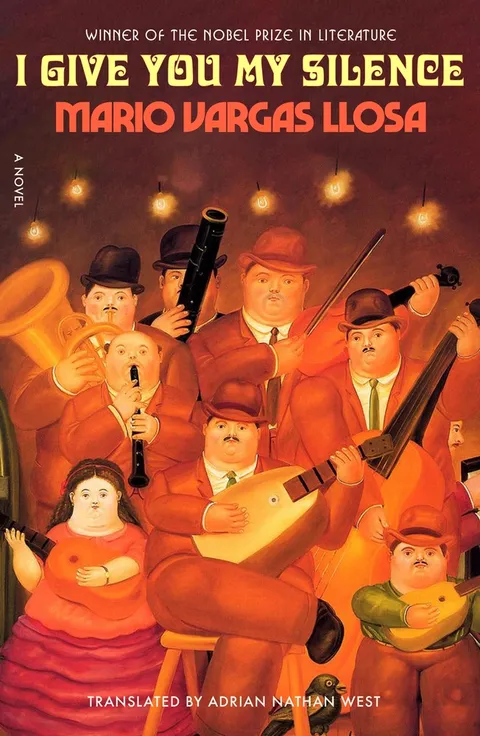
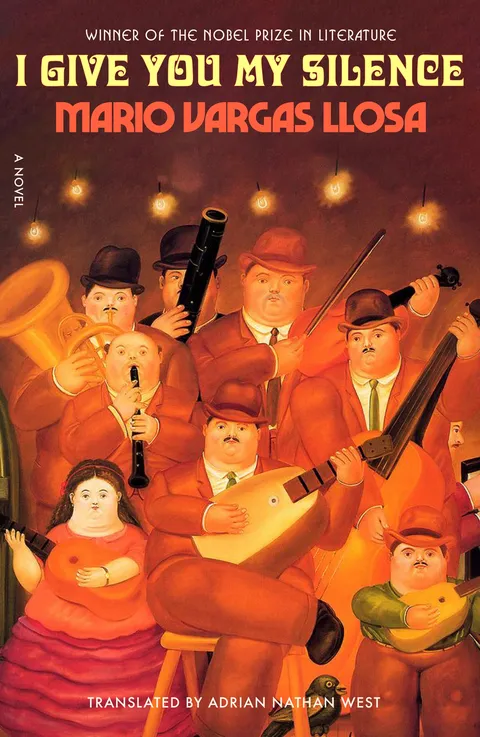
In his final novel, the Nobel Prize winner Mario Vargas Llosa returns to his native Peru.
Toño Azpilcueta, proletarian intellectual, writer of sundry articles, aspirant to the now-defunct professorship of Peruvian studies, is an expert in the vals, a genre of music descended from the European waltz but rooted in New World creole culture. When he hears a performance by the elusive guitarist Lalo Molfino, Toño is convinced not only that he is in the presence of the country’s finest musician, but also that his own love for Peruvian music, as he has long suspected, has a profound, provable social function. If he could just write the biography of the man before him and tell the story of both the vals and its attendant inspiring ethos, huachafería (Peru’s great contribution to world culture, as per Toño), he might capture his country’s soul and inspire his fellow citizens to remember the ties that bind them. Through music, the populace might come together, lay down their arms, and embrace a harmonious and unified Peruvian culture.
Both a send-up of parochial idealism and a love song to the culture of his homeland, Mario Vargas Llosa’s I Give You My Silence is the moving final novel of the Peruvian Nobel Prize winner, whose enduring works captured a changing Latin America. The tragic hero Toño and his belief in a democratic, proletarian music at odds with the culture and politics of a modern Peru scarred by violence is the writer’s last statement on the revelatory, maddening, foolhardy, yet irrepressible conviction that art has profound transformative power.
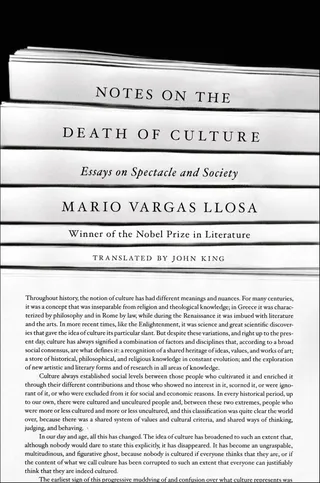
Mario Vargas Llosa
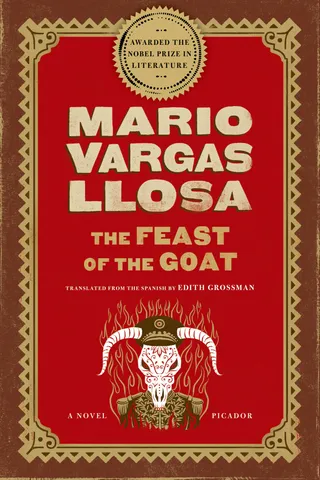
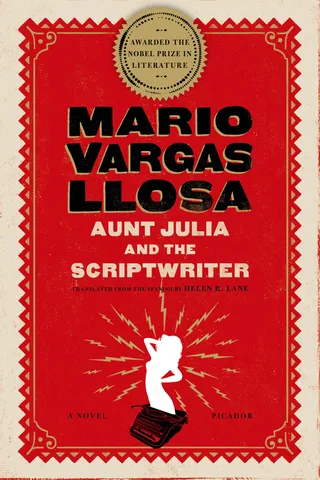
Mario Vargas Llosa was born in Peru in 1936. He was awarded the Nobel Prize in Literature "for his cartography of structures of power and his trenchant images of the individual's resistance, revolt, and defeat." He also won the Miguel de Cervantes Prize, the Spanish-speaking world's most distinguished literary honor. His many works of fiction and nonfiction include The Feast of the Goat, In Praise of the Stepmother, and Aunt Julia and the Scriptwriter, all published by FSG. He died in Lima at age 89 in 2025.
More by Mario Vargas Llosa

Adrian Nathan West
Translated by
Adrian Nathan West has translated more than thirty books from Spanish, Catalan, and German, including Benjamín Labatut’s When We Cease to Understand the World, a finalist for both the National Book Award for Translated Literature and the International Booker Prize. An essayist and literary critic, he is the author of the novel My Father’s Diet. He lives in Philadelphia.


Why Readwise Books?
Readwise Books is an ebook & audiobook platform that automatically logs how much you and your friends read, making it fun and easy to read more. Learn more →