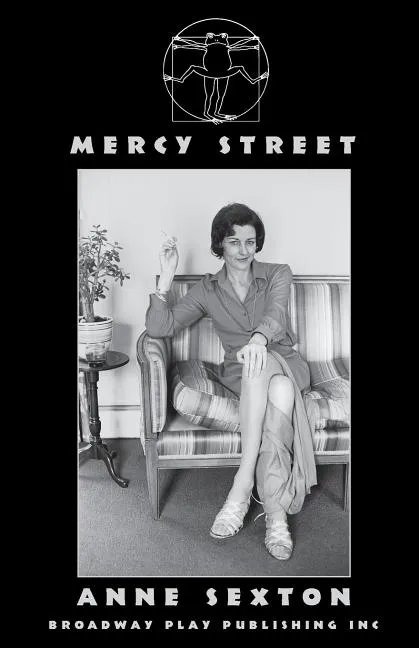
Mercy Street
Report an issue
Tell us what's wrong and we'll take a look.
Thanks – we got it. We'll review and follow up if needed.
MERCY STREET is Pulitzer Prize-winning poet Anne Sexton's only play and incorporates many of the themes that infuse her poetry, the deeply personal, the nature of madness, and the subjectivity of truth. "Anne Sexton, a fine poet with an astounding knack for incorporating the ugly and immediate vocabulary of the pressing workaday world into lyrics that nevertheless remain lyrics, is the author of MERCY STREET ... The play is constructed quite literally to resemble the Offertory in Anglican or Roman Catholic mass ... Miss Sexton's initial use of ritual is striking ... The exploration, in rotating flashbacks, produces some riveting line-images ..." -Walter Kerr, The New York Times "... This is Miss Sexton's first play. She is a Pulitzer Prize-winning poet, and the tone of her poems has always been laceratingly personal. In some she seemed like a latter-day, neurotic Emily Dickinson. The poems have a voice of their own, and a way with imagery. MERCY STREET is the story of a woman searching her way home from the valley of madness ... Miss Sexton has written a play to be considered rather than dismissed ..." -Clive Barnes, The New York Times
Anne Sexton
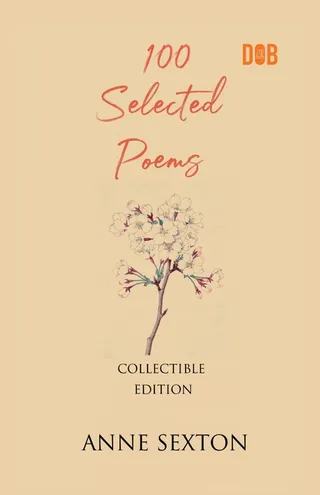
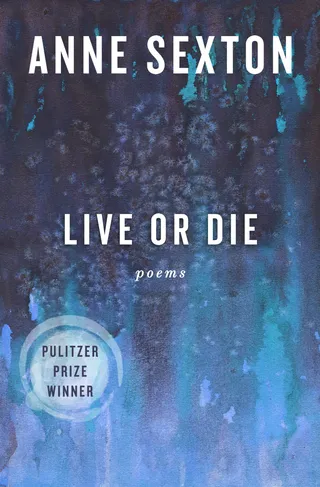
Anne Sexton (1928–1974) was a Pulitzer Prize–winning American poet born in Newton, Massachusetts. She attended Garland Junior College for one year and briefly worked as a model. She married Alfred Muller Sexton II at age nineteen, and in 1953 gave birth to a daughter. Shortly after, she was diagnosed with postpartum depression. When Sexton attempted suicide after the birth of her second daughter, her doctor encouraged her to pursue her interest in writing poetry, and in the fall of 1957, she enrolled in a poetry workshop at the Boston Center for Adult Education. Like Robert Lowell, Sylvia Plath, W. D. Snodgrass (who exerted a great influence on her work), and other Confessional poets, Sexton offers the reader an intimate view of the emotional anguish that characterized her life. The experience of being a woman was a central issue in her poetry, and though she endured criticism for bringing subjects such as menstruation, abortion, and drug addiction into her work, her skill as a poet transcended the controversy over her subject matter. Sexton’s poetry collections include To Bedlam and Part Way Back, All My Pretty Ones, Transformations, and Live or Die, which won the Pulitzer Prize for poetry in 1967. In 1974 at the age of forty-six, Sexton lost her battle with mental illness and committed suicide.
More by Anne Sexton




Why Readwise Books?
Readwise Books is an ebook & audiobook platform that automatically logs how much you and your friends read, making it fun and easy to read more. Learn more →