Report an issue
Tell us what's wrong and we'll take a look.
Thanks – we got it. We'll review and follow up if needed.
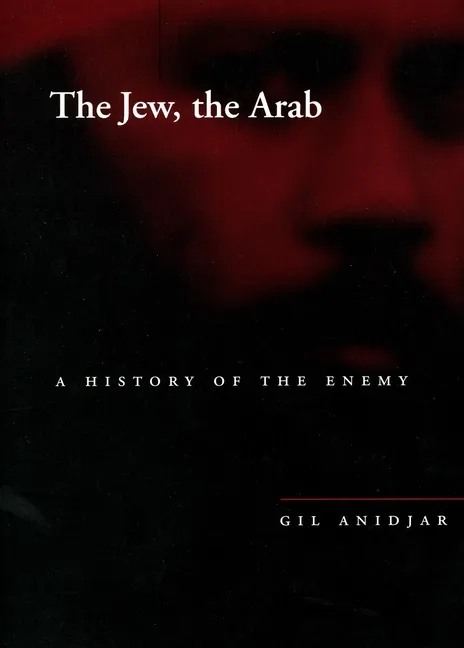
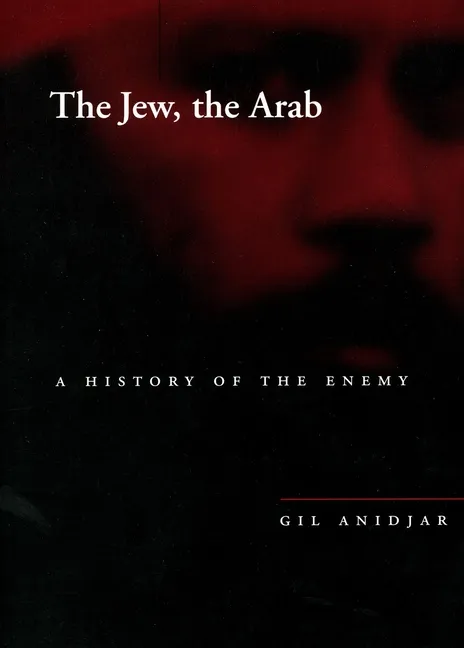
Is there a concept of the enemy? To what discursive sphere would it belong? Or, if there is no concept of the enemy, what are the factors that could have prevented its articulation? Following the reflections of Carl Schmitt and Jacques Derrida on the theologico-political, and reading canonical texts from the Western philosophical, political, and religious traditions, the author seeks to account for the absence of a history of the enemy.
The question of the enemy emerges in this book as contingent on the way Europe has related to both Jew and Arab as concrete enemies. Moreover, the author provocatively argues that the Jew and the Arab constitute the condition of religion and politics. Among the many strengths of the book is the timeliness of its profound study of contemporary actuality: the volume provides a basis for a philosophical understanding of the forces at work that produced and kindled current conflicts in Europe, the U.S., and the Middle East.
Gil Anidjar
Gil Anidjar teaches in the Department of Religion and the Department of Middle Eastern, South Asian, and African Studies at Columbia University. He is currently completing a manuscript titled Sparta and Gaza: The Tradition of Destruction; sections of it have been published here and there.
More by Gil Anidjar



Why Readwise Books?
Readwise Books is an ebook & audiobook platform that automatically logs how much you and your friends read, making it fun and easy to read more. Learn more →