Report an issue
Tell us what's wrong and we'll take a look.
Thanks – we got it. We'll review and follow up if needed.
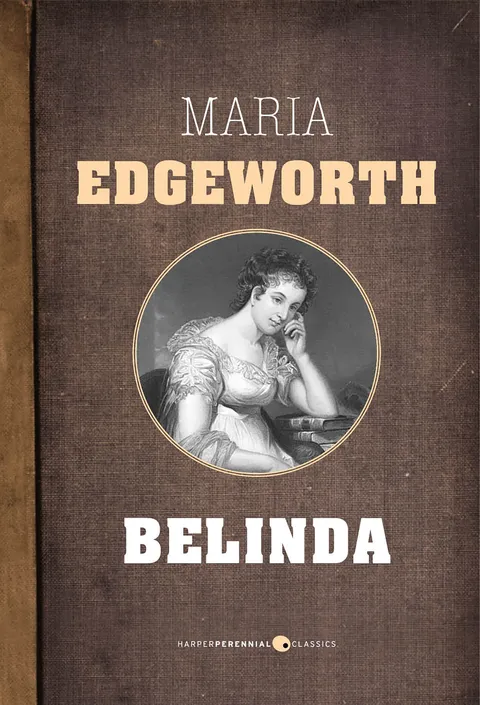
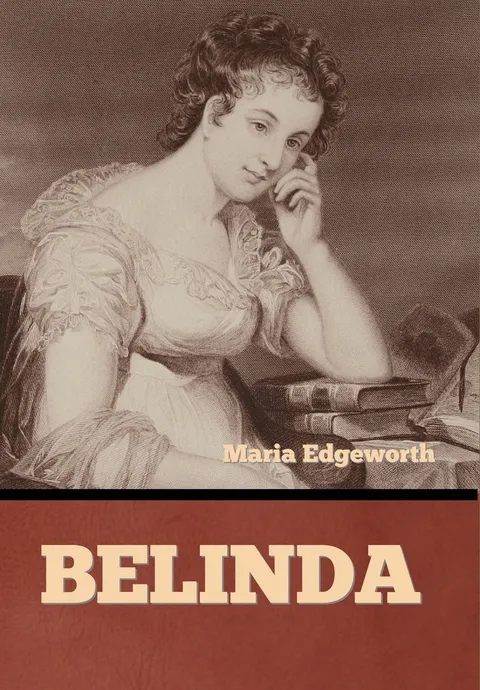
Maria was educated at Mrs Lattafière's school in Derby in 1775. There she studied dancing, French and other subjects. Maria transferred to Mrs Devis's school in Upper Wimpole Street, London. Her father began to focus more attention on Maria in 1781 when she nearly lost her sight to an eye infection.
She returned home to Ireland at 14 and took charge of her younger siblings. She herself was home-tutored by her father in Irish economics and politics, science, literature and law. Despite her youth literature was in her blood. Maria also became her father's assistant in managing the family's large Edgeworthstown estate.
Maria first published 1795 with 'Letters for Literary Ladies'. That same year 'An Essay on the Noble Science of Self-Justification', written for a female audience, advised women on how to obtain better rights in general and specifically from their husbands.
'Practical Education' (1798) is a progressive work on education. Maria's ambition was to create an independent thinker who understands the consequences of his or her actions.
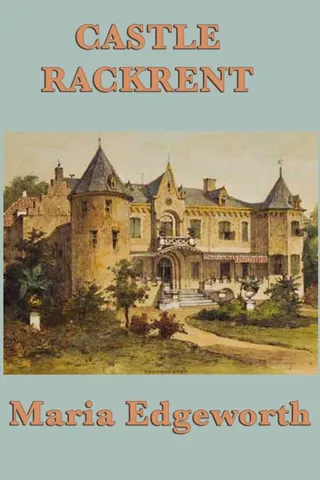
Her first novel, 'Castle Rackrent' was published anonymously in 1800 without her father's knowledge. It was an immediate success and firmly established Maria's appeal to the public.
Her father married four times and the last of these to Frances, a year younger and a confidante of Maria, who pushed them to travel more widely: London, Britain and Europe were all now visited.
The second series of 'Tales of Fashionable Life' (1812) did so well that she was now the most commercially successful novelist of her age.
She particularly worked hard to improve the living standards of the poor in Edgeworthstown and to provide schools for the local children of all and any denomination.
After a visit to see her relations Maria had severe chest pains and died suddenly of a heart attack in Edgeworthstown on 22nd May 1849. She was 81.
Maria Edgeworth
Maria Edgeworth was an Irish novelist and educationalist, born in 1768, she is best known for her contributions to children's literature and her novels that explore social issues and moral themes, particularly in works like ""Tales and Novels."" This collection includes stories designed to impart moral lessons through engaging narratives, showcasing her belief in the importance of education and character development. Edgeworth's writing is characterized by its realism, wit, and keen observation of human behavior. Her most notable works, such as ""Castle Rackrent,"" employ innovative narrative techniques that reflect the complexities of Irish society. She often focused on themes of gender roles and the moral responsibilities of individuals within their communities. In addition to fiction, Edgeworth wrote essays on education and social reform, advocating for improved educational opportunities, especially for women. Her influence extended beyond her lifetime, and she remains an important figure in both Irish and British literature, celebrated for her insights into character and society.
More by Maria Edgeworth





Why Readwise Books?
Readwise Books is an ebook & audiobook platform that automatically logs how much you and your friends read, making it fun and easy to read more. Learn more →