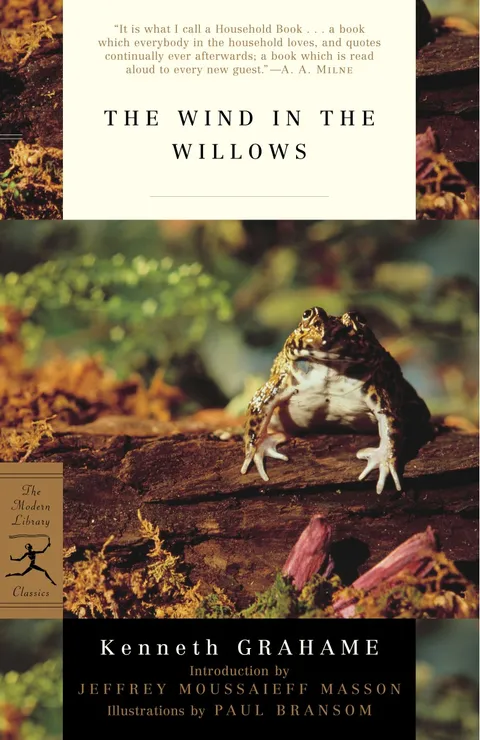
The Wind in the Willows
Report an issue
Tell us what's wrong and we'll take a look.
Thanks – we got it. We'll review and follow up if needed.
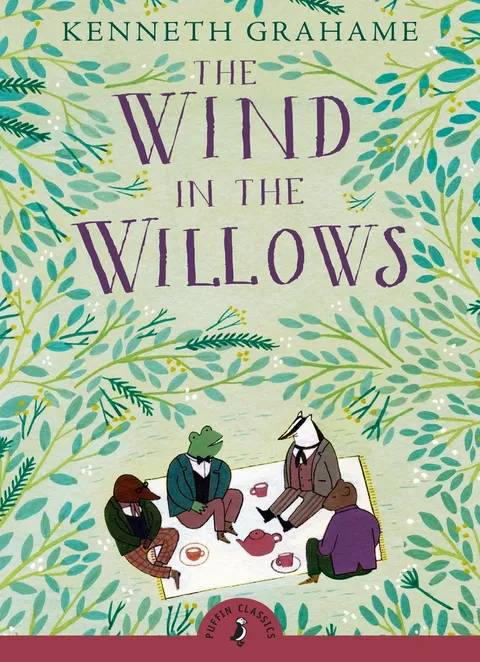

“The boastful, unstable Toad, the hospitable Water Rat, the shy, wise, childlike Badger, and the Mole with his pleasant habit of brave boyish impulse,” noted Vanity Fair nearly a century ago, “are types of that deeper humanity which sways us all.” Written by Kenneth Grahame as bedtime stories for his son, The Wind in the Willows continues to delight readers today.
Basing his fanciful animal characters on human archetypes, Grahame imparts a gentle, playful wisdom in his timeless tales. Few readers will be able to resist an invitation to join the Wild Wooders at Toad Hall, enjoy a quick splash in the river with Rat and Badger, or take a swerving ride with Toad in a “borrowed” motor-car.
Kenneth Grahame
Kenneth Grahame was born in Edinburgh in 1859. He was educated at St Edward's School, Oxford, but family circumstances prevented him from entering Oxford University. He joined the Bank of England as a gentleman clerk in 1879, rising to become the Bank's Secretary in 1898. He wrote a series of short stories, married Elspeth Thomson in 1899 and their only child, Alistair, was born a year later. He left the Bank in 1908, the year that The Wind in the Willows was published. Though not an immediate success, by the time of Grahame's death in 1932 it was recognised as a children's classic.
More by Kenneth Grahame








Why Readwise Books?
Readwise Books is an ebook & audiobook platform that automatically logs how much you and your friends read, making it fun and easy to read more. Learn more →