Report an issue
Tell us what's wrong and we'll take a look.
Thanks – we got it. We'll review and follow up if needed.
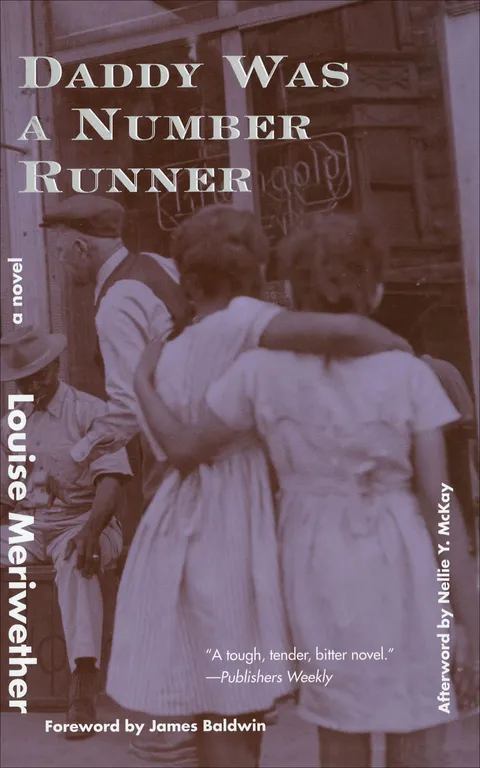
This modern classic is "a tough, tender, bitter novel of a black girl struggling towards womanhood" in 1930s Harlem—with a foreword by James Baldwin (Publishers Weekly). Depression-era Harlem is home for twelve-year-old Francie Coffin and her family, and it's both a place of refuge and the source of untold dangers for her and her poor, working class family. The beloved "daddy" of the title indeed becomes a number runner when he is unable to find legal work, and while one of Francie's brothers dreams of becoming a chemist, the other is already in a gang. Francie is a dreamer, too, but there are risks in everything from going to the movies to walking down the block, and her pragmatism eventually outweighs her hope; "We was all poor and black and apt to stay that way, and that was that." First published in 1970, Daddy Was a Number Runner is one of the seminal novels of the black experience in America. The New York Times Book Review proclaimed it "a most important novel."
Louise Meriwether
Louise Meriwether is a novelist, journalist, and teacher. She earned a B.A. in English from New York University and an M.A. in journalism from the University of California, at Los Angeles. In the 1950s Meriwether worked for Universal Studios as the first African American story analyst in Hollywood. Her first novel, Daddy Was a Number Runner, received grants from the National Endowment for the Arts and the New York State Council on the Arts. Meriwether has taught creative writing at Sarah Lawrence College and the University of Houston.
More by Louise Meriwether


Why Readwise Books?
Readwise Books is an ebook & audiobook platform that automatically logs how much you and your friends read, making it fun and easy to read more. Learn more →