Report an issue
Tell us what's wrong and we'll take a look.
Thanks – we got it. We'll review and follow up if needed.
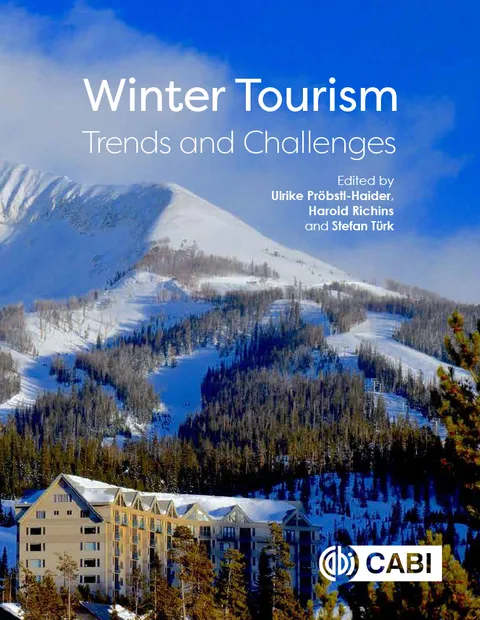
Winter tourism has seen increased levels of investment in recent times, in an effort to reduce economic risk, address environmental concerns and adapt to the effects of global warming. New ski destinations are developing and merging with traditional ones to increase spatial distribution, while many established leading resorts are adapting their management models. Climate change adaptation processes are supported by the reduction of CO2 emissions and energy consumption in ski resorts. Current planning challenges include the increasing importance of scenic beauty, nature and sustainable development, as well as snow reliability, snow management and safety issues. Destination planning also requires an in-depth knowledge about ski tourists and their preferences regarding destination choice, which is impacted by many factors including the aging society, changing leisure time habits and new target markets such as China and India. This book is an essential reference for exploring these trends and the different approaches that are employed in the European Alpine region, North America, Scandinavia and Eastern Europe. It: showcases best case examples and good practice regarding environmental management in ski areas; discusses current trends and adaption strategies in winter tourism, with reference to skiers' preferences; and analyses future challenges for the market. It is of particular relevance for academic researchers and practitioners working in tourism and hospitality, especially with a focus on winter destinations; and those interested in consumer behaviour, business and management, recreation, and sustainable tourism development.
Harold Richins
Harold Richins is at Thompson Rivers University, Canada.


Why Readwise Books?
Readwise Books is an ebook & audiobook platform that automatically logs how much you and your friends read, making it fun and easy to read more. Learn more →