Resistance and Decolonization
Report an issue
Tell us what's wrong and we'll take a look.
Thanks – we got it. We'll review and follow up if needed.
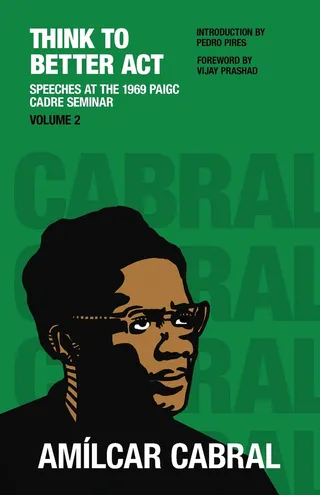
How can a people overthrow 500 years of colonial oppression? What can be done to decolonize mentalities, economic structures, and political institutions? In this book, which includes the first translation of the text ‘Analysis of a Few Types of Resistance’ as well as ‘The Role of Culture in the Struggle for Independence,’ the African revolutionary Amílcar Cabral explores these and other questions. These texts demonstrate his frank and insightful directives to his comrades in Guinea-Bissau and Cape Verde’s party for independence, as well as reflections on culture and combat written the year prior to his assassination by the Portuguese secret police.
As one of the most important and profound African revolutionary leaders in the 20th century, and justly compared in importance to Frantz Fanon, Cabral’s thoughts and instructions as articulated here help us to rethink important issues concerning nationalism, culture, vanguardism, revolution, liberation, colonialism, race, and history. The volume also includes two introductory essays: the first introduces Cabral’s work within the context of Africana critical theory, and the second situates these texts in the context their historical-political context and analyzes their relevance for contemporary anti-imperialism.
Amilcar Cabral
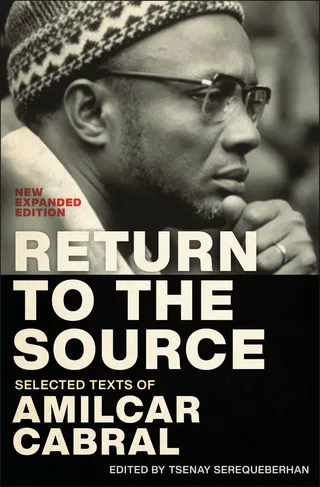
Amilcar Cabral (1924-1973) was a Pan-African freedom fighter and anti-imperialist theorist, best known for bringing the Portuguese empire to its knees. He was born in the Guinea Bissau town of Bafatá, to Cape Verdean parents of divergent classes, living under Portuguese colonial dominion. During a restive period in the development of African nationalist movements, he studied agronomy in Portugal alongside other African colonial subjects who joined together to form student movements dedicated to opposing the ruling dictatorship of Portugal and promoting the cause of independence for all Portuguese colonies in Africa. Upon his return to Africa in the 1950s, he managed, in under a decade, to steer Guinea Bissau towards near total independence. On January 20, 1973, Portuguese agents assassinated Cabral, but his murder did not deter his people from unilaterally declaring independence just eight months later. In life and death, he became an inspiration to revolutionary socialists and national independence movements worldwide.
More by Amilcar Cabral



Why Readwise Books?
Readwise Books is an ebook & audiobook platform that automatically logs how much you and your friends read, making it fun and easy to read more. Learn more →