Report an issue
Tell us what's wrong and we'll take a look.
Thanks – we got it. We'll review and follow up if needed.
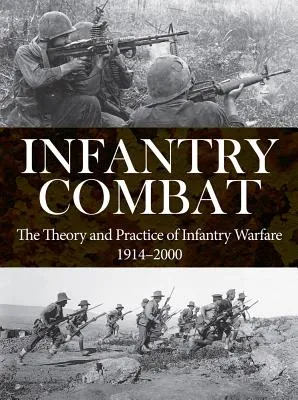
From the trenches of the Somme to the ruins of Stalingrad to the deserts of Iraq, the role of the infantry soldier developed dramatically throughout the twentieth century. Infantry Combat examines the changing roles that took place for infantry from 1900 to the year 2000. With the introduction of tanks during World War I, infantry were no longer the shock arm in battle but became responsible for securing objectives that tanks had taken. But this wasn't to be the case all around the world, as in areas inaccessible to tanks, such as the jungles of the Pacific islands or Vietnam, the infantry were once again the primary means of waging war. And while the Cold War and nuclear weapons threatened to reduce the infantry to a secondary role, the increase in limited operations, often against less well-equipped opponents, saw the common soldier once again in the forefront. And what future the combat soldier? The book concludes with an examination of robotics and new mechanisation on the battlefield. Illustrated with action photographs and battle maps, Infantry Combat uses examples from an immense range of twentieth century combat situations to provide a definitive guide to modern infantry warfare.
Andrew Wiest
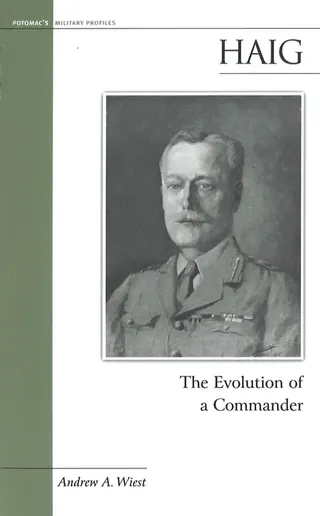
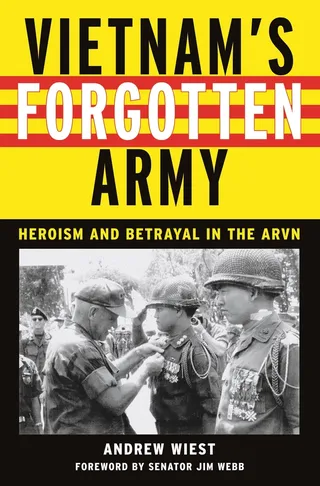
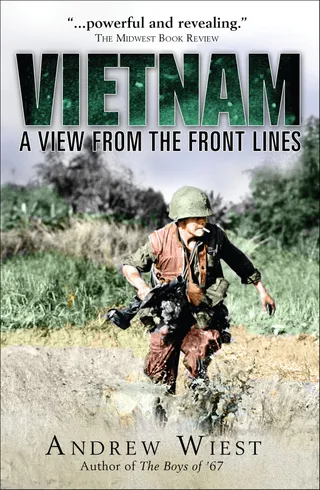
Andrew Wiest is Professor of History and Co-Director of the Center for the Study of War and Society at the University of Southern Mississippi. He is co-editor of War in the Age of Technology: Myriad Faces of Modern Armed Combat (NYU Press, 2001) and author or co-author of numerous books, including Rolling Thunder in a Gentle Land: The Vietnam War Revisited, Atlas of World War II, and The Vietnam War, 1959-1975. He lives in Hattiesburg, MS.
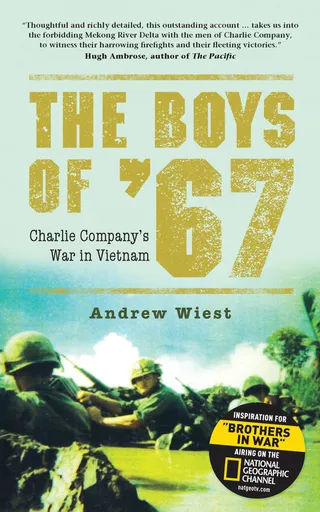
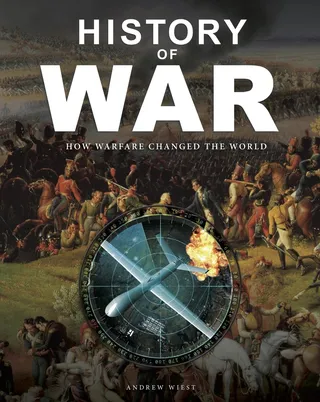
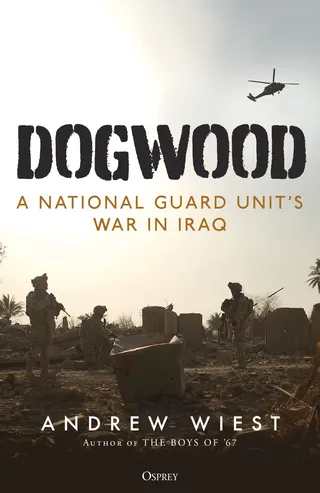
More by Andrew Wiest


Why Readwise Books?
Readwise Books is an ebook & audiobook platform that automatically logs how much you and your friends read, making it fun and easy to read more. Learn more →