
Human Error
Report an issue
Tell us what's wrong and we'll take a look.
Thanks – we got it. We'll review and follow up if needed.
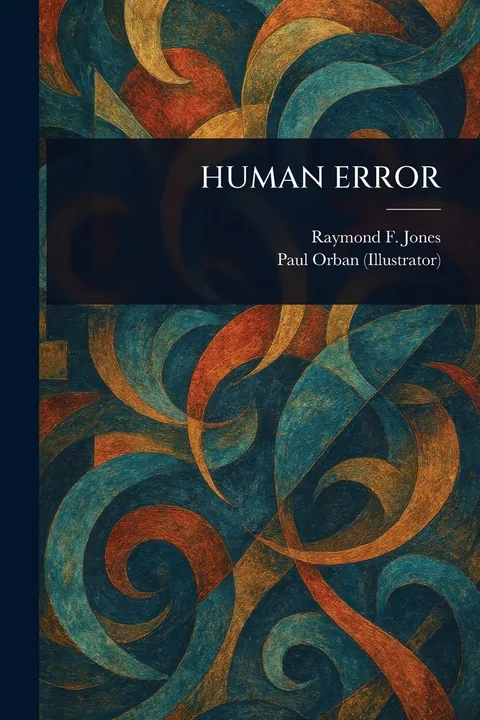
"Human Error" by Raymond F. Jones is a thought-provoking science fiction novel that explores the consequences of technological advancement in a futuristic, dystopian society. Jones delves into themes of artificial intelligence, robotics, and human nature, painting a vivid picture of a future society grappling with ethical dilemmas and moral quandaries. In this dystopian world, technological advancements have led to the creation of highly sophisticated artificial intelligence systems, blurring the lines between man and machine. As society becomes increasingly reliant on these technologies, human error becomes more prevalent, leading to unforeseen consequences and moral ambiguity. Jones masterfully navigates the complexities of human nature and the ethical implications of technological progress, forcing readers to confront difficult questions about the nature of humanity and the responsibilities that come with technological advancement. Through a gripping narrative filled with twists and turns, "Human Error" explores the fragility of morality in the face of rapidly evolving technology, ultimately reminding readers of the importance of retaining our humanity in an increasingly mechanized world.
Raymond F. Jones
Raymond F. Jones (1915 - 1994)
Raymond Fisher Jones was born in Utah in 1915 and was a regular contributor to Astounding Stories and Galaxy Science Fiction among other pulp SF magazines. He is best known for the 1952 novel This Island Earth, which was famously filmed in 1955, one of the first major SF films to be produced in Technicolor. He died in Utah in 1994.
More by Raymond F. Jones










Why Readwise Books?
Readwise Books is an ebook & audiobook platform that automatically logs how much you and your friends read, making it fun and easy to read more. Learn more →