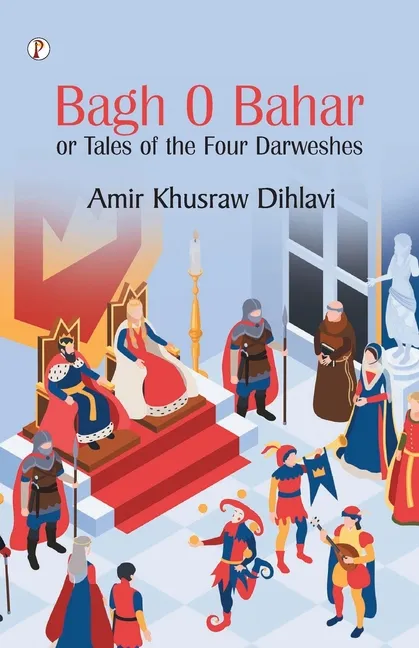
Bagh O Bahar, or Tales of the Four Darweshes
Report an issue
Tell us what's wrong and we'll take a look.
Thanks – we got it. We'll review and follow up if needed.
"Bagh-o-Bahar," also known as "Tales of the Four Darweshes," is a classic Persian and Indian literary work written by the renowned poet and Sufi musician Amir Khusraw Dehlavi. This collection of tales is a masterpiece of Indo-Persian literature and has been cherished for centuries.
"Bagh-o-Bahar" is a frame story, which means it consists of several interconnected tales nested within a larger narrative. The central story revolves around the adventures and misadventures of four dervishes, or darweshes, who engage in a series of captivating and morally instructive tales.
Amir Khusraw's storytelling is rich in Persian and Sufi influences, and his tales are characterized by their intricate plots, vivid characters, and moral lessons. Through the journeys and experiences of the darweshes, Khusraw explores themes such as fate, destiny, love, wisdom, and the human condition.
The collection is not only entertaining but also offers valuable insights into the cultural and philosophical milieu of the time. It reflects the Sufi tradition's emphasis on spiritual enlightenment and moral guidance through storytelling.
"Bagh-o-Bahar" continues to be celebrated for its literary and philosophical significance and is considered a classic work of Indo-Persian literature. It has been translated into various languages and remains a timeless treasure for those interested in exploring the rich tapestry of Persian and Indian literature.
Amir Khusraw Dihlavi
Amir Khusraw Dihlavi was born in 1253 in Patiyali, Kasganj district, in what is now Uttar Pradesh, India. At the time, it was part of the Delhi Sultanate. His father was of Turkic descent, and his mother, Bibi Daulat Naz, was from India. There was a Sunni Muslim named Amir Saif ud-Din Mahmud. He grew up in the small town of Kesh, which is near Samarkand in what is now Uzbekistan. When he was young, Genghis Khan's invasion of Central Asia had ruined and destroyed the area. Many people moved to other countries, with India being a popular choice. A group of families, including Amir Saif ud-Din's, left Kesh and went to Balkh, which is now in northern Afghanistan and was a relatively safe place. From there, they sent messengers to the Sultan of faraway Delhi to ask for safety and help. This was okayed, and the group then went to Delhi. Sultan Shams ud-Din Iltutmish, who was in charge of Delhi, was also Turkic, just like them. He had grown up in the same part of Central Asia and had been through some similar things in his past. That's why they came to him in the first place. Iltutmish not only let the refugees stay at his court, but he also gave some of them high positions and land. Amir Saif ud-Din was given a fief in the Patiyali area in 1230.
More by Amir Khusraw Dihlavi
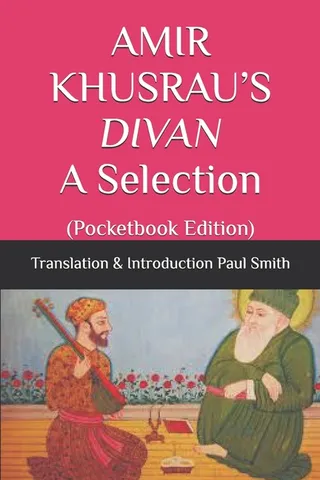



Why Readwise Books?
Readwise Books is an ebook & audiobook platform that automatically logs how much you and your friends read, making it fun and easy to read more. Learn more →