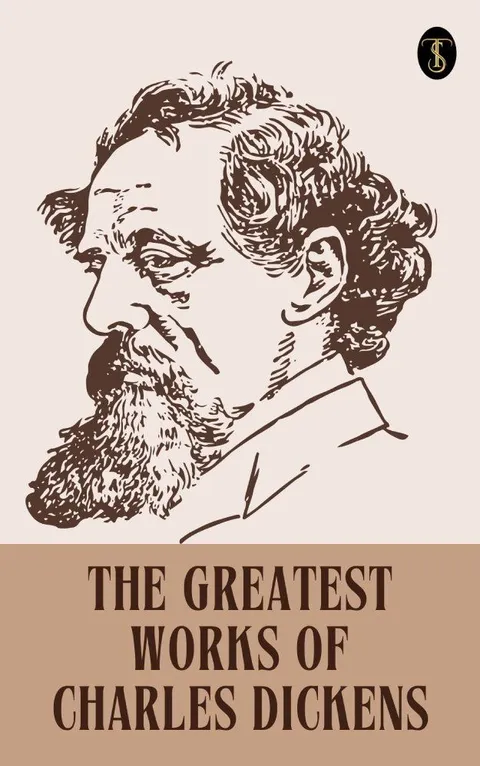
The Greatest Work of Charles Dickens
Report an issue
Tell us what's wrong and we'll take a look.
Thanks – we got it. We'll review and follow up if needed.
"The Greatest Works of Charles Dickens" encapsulates the seminal pieces of one of the most esteemed novelists of the Victorian era. Dickens, celebrated for his vivid storytelling, unforgettable characters, and social commentary, adeptly combines humor, drama, and keen observation of 19th-century English society. This collection typically includes classics like "Great Expectations," a bildungsroman exploring themes of class and personal development; "A Tale of Two Cities," set against the backdrop of the French Revolution; and "Oliver Twist," highlighting the grim realities of poverty and crime in London. Also featured are "David Copperfield," often considered semi-autobiographical, and "Bleak House," known for its intricate plot and critique of the judicial system. Dickens' works are characterized by his critique of social injustices, richly detailed settings, and a blend of realism and romanticism. His storytelling prowess and exploration of human resilience and moral dilemmas have firmly established his works as cornerstones of English literature.
Charles Dickens
Charles Dickens was born in 1812 near Portsmouth where his father was a clerk in the navy pay office. The family moved to London in 1823, but their fortunes were severely impaired. Dickens was sent to work in a blacking-warehouse when his father was imprisoned for debt. Both experiences deeply affected the future novelist. In 1833 he began contributing stories to newspapers and magazines, and in 1836 started the serial publication of Pickwick Papers. Thereafter, Dickens published his major novels over the course of the next twenty years, from Nicholas Nickleby to Little Dorrit. Dickens died in June 1870.
More by Charles Dickens





Why Readwise Books?
Readwise Books is an ebook & audiobook platform that automatically logs how much you and your friends read, making it fun and easy to read more. Learn more →