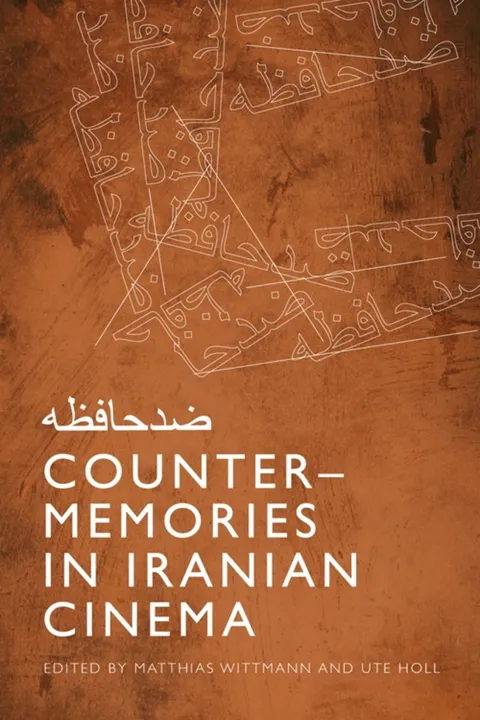
Counter-Memories in Iranian Cinema
Report an issue
Tell us what's wrong and we'll take a look.
Thanks – we got it. We'll review and follow up if needed.
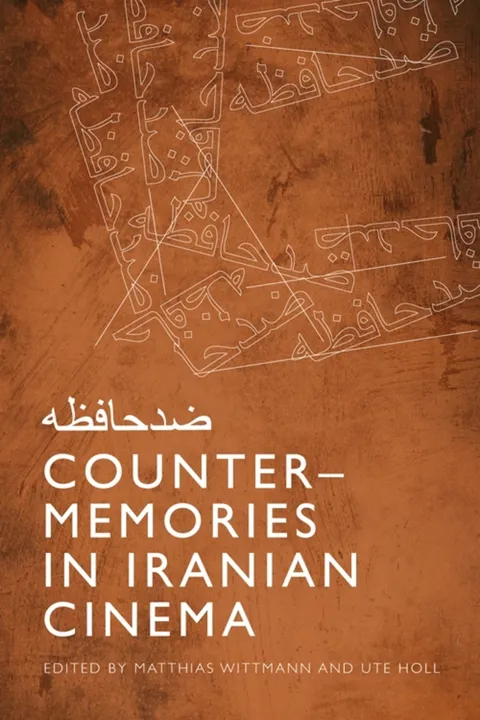
Farīd ad-Dīn-e ʿAṭṭār's Persian folk tale The Conference of the Birds relates the quest by thousands of pilgrim birds for an ideal king, the mythical bird called Sīmorgh. At the end of the quest, the surviving birds recognise that the longed-for king is nothing other than the reflection of their own existence. But what about those other birds that were not able to become part of the final representation? This groundbreaking book calls them 'counter-memories'; memories that are barred from hegemonic history, but are, nevertheless present in cinematic forms. Due to the strategic and artistic interventions of a range of Iranian filmmakers, such as Abbas Kiarostami and Shahram Mokri, Ali Hatami and Tahmineh Milani, Kianoush Ayari and Rakshan Banietemad, the history of post-revolutionary Iranian Cinema is also structured by counter-memories, with the potential to destabilise officially fabricated success stories of revolution, war and sacred defence. Counter-Memories in Iranian Cinema establishes a new framework for understanding the tensions between censorship and resistance, helping to carve out resistant points of remembering both within and outside state-controlled cinema.


Why Readwise Books?
Readwise Books is an ebook & audiobook platform that automatically logs how much you and your friends read, making it fun and easy to read more. Learn more →