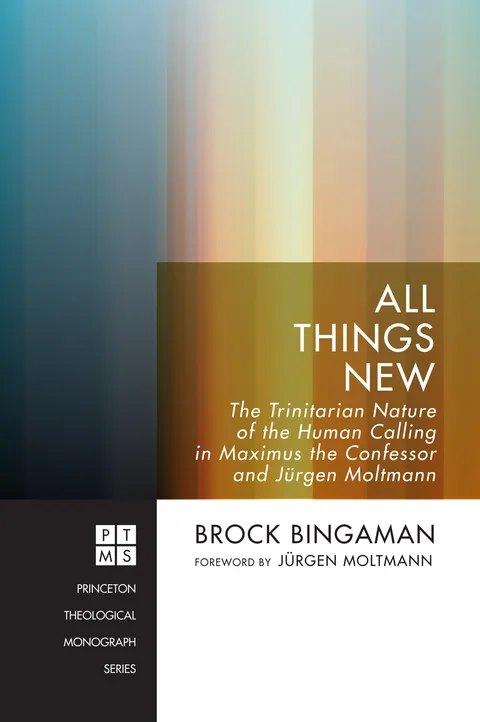
All Things New
The Trinitarian Nature of the Human Calling in Maximus the Confessor and Jürgen Moltmann
Report an issue
Tell us what's wrong and we'll take a look.
Thanks – we got it. We'll review and follow up if needed.
For both Maximus the Confessor (c. 580-662) and Jurgen Moltmann (b. 1926), understanding what it means to be human springs from a contemplative vision of God. This comparative study explores surprising parallels between the theological anthropology of the seventh-century Byzantine monk and the contemporary German Protestant. Bingaman argues that Maximus and Moltmann root their understanding of the human calling in their Trinitarian and christological reflection, in contrast to many modern theologies that tend to devise an account of human being first, and then try to find ways in which Christ and the Trinity are somehow relevant to this human being. In this constructive work, Bingaman demonstrates the intrinsic connection between Maximus' and Moltmann's views of human being, Christ and the Trinity, the church, and the human calling in creation. Illustrating the richness of these ancient and postmodern theologies in conversation, All Things New lays out future trajectories in theological anthropology, patristic ressourcement, ecologically attuned theology and spirituality, and Orthodox-Protestant dialogue.
Brock Bingaman
Brock Bingaman is Assistant Professor of Religious Studies and Religious Studies Program Director at Wesleyan College in Macon, Georgia. His publications include 'The Philokalia: A Classic Text of Orthodox Spirituality' (2012), co-edited with Bradley Nassif, and numerous chapters in books and journal articles on Christian spirituality, ecology, comparative theology, and Christian-Muslim relations.
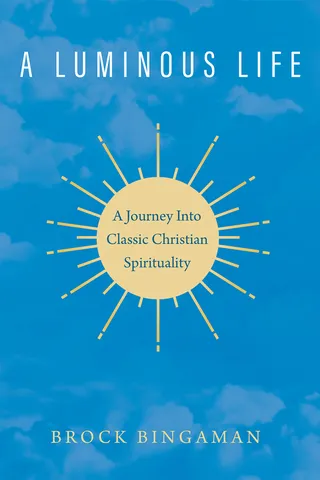
More by Brock Bingaman


Why Readwise Books?
Readwise Books is an ebook & audiobook platform that automatically logs how much you and your friends read, making it fun and easy to read more. Learn more →