Report an issue
Tell us what's wrong and we'll take a look.
Thanks – we got it. We'll review and follow up if needed.
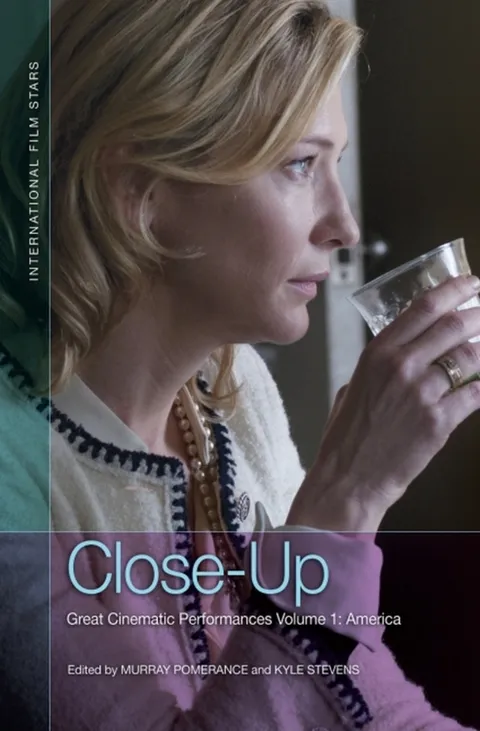
What actors do on-screen is a fascination for audiences all over the world. Indeed, the cultural visibility of movie stars is so pronounced that stardom has often been regarded as intrinsic to the medium's specificity. Yet not all great cinematic performances are star turns, and so, what really makes a cinematic performance good, interesting, or important has been a neglected topic in film criticism. This two-volume set presents detailed interpretations of singular performances by several of the most compelling actors in cinema history, asking in many different and complementary ways what makes performance meaningful, how it reflects a director's style, as well as how it contributes to the development of national cinemas and cultures. Whether noting the precise ways actors shape film narrative, achieve emotional effect, or move toward political subversion, the essays in these books innovate new approaches to studying screen performance as an art form and cultural force.
This volume focuses on American cinema, including case studies of key performances from actors like Bette Davis, Irene Dunne, Whoopi Goldberg, Cary Grant, Oscar Isaac, Jack Nicholson, Al Pacino, Sidney Poitier, Gena Rowlands, Peter Sellers, Kristen Stewart, and Ethel Waters, amongst many others.
Murray Pomerance
Murray Pomerance is an independent scholar living in Toronto and Adjunct Professor in the School of Media and Communication at the RMIT University, Melbourne. He is the author, coauthor, or editor of many books, including, most recently, with Matthew Solomon, The Biggest Thing in Show Business: Living It Up with Martin & Lewis (also published by SUNY Press) and Uncanny Cinema: Agonies of the Viewing Experience.


Why Readwise Books?
Readwise Books is an ebook & audiobook platform that automatically logs how much you and your friends read, making it fun and easy to read more. Learn more →