
Report an issue
Tell us what's wrong and we'll take a look.
Thanks – we got it. We'll review and follow up if needed.

The step-by-step guide to serving as an executor, trustee, or estate representative
If you need to wrap up the affairs of a loved one who has died, you may feel overwhelmed—especially when you’re grieving. But you can do it, and this book will show you how.
The Executor’s Guide provides a clear road map through an unfamiliar land of legal procedures and terminology. You’ll learn what to do right away and what can wait. Find help on:
• preparing for the job of executor or trustee
• the first steps you should take after a loved one dies
• claiming life insurance, Social Security, and other benefits
• making sense of a will, and what to do if there is no will
• how to determine whether probate is necessary
• filing taxes
• managing assets inherited by a minor child
• probate court proceedings
• handling simple trusts, and
• working with lawyers, appraisers, accountants, and other experts.
The 10th edition of The Executor's Guide contains updated tables that outline the key points of each state's laws. It also provides the latest information on estate tax laws.
With Downloadable Worksheets:
download and customize worksheets detailing information executors need to get organized, including an inventory of assets and debts (details inside).
Mary Randolph
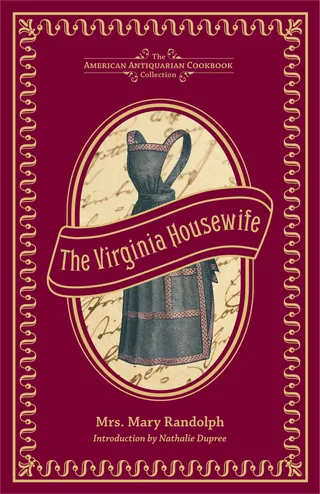
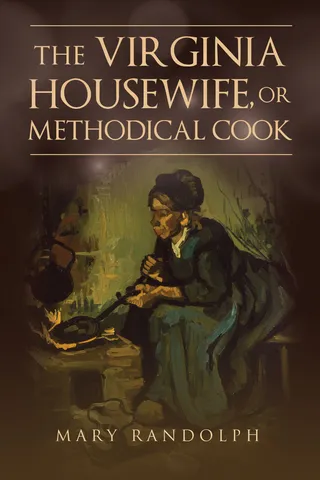
Mary Randolph was born on August 9, 1762, at Historic Tuckahoe in Virginia to Thomas Mann Randolph Sr. and Anne Cary Randolph. She became one of the most notable American women in early culinary history, particularly for her work in domestic science. Raised in a prominent Virginian family, Randolph married David Meade Randolph in 1780. Her household experience, especially during financially challenging periods, shaped her practical approach to domestic life. This practical insight later materialized in her most significant work, a cookbook that blended culinary expertise with efficient household management. She ran a boarding house in Richmond, which helped her refine the economical methods of cooking and housekeeping she later published. Her writing reflected a strong awareness of Southern traditions, local ingredients, and methods that could suit both affluent homes and modest households. She emphasized system, thrift, and clarity in domestic duties, which contributed to her lasting influence on American domestic literature. Mary Randolph died on January 23, 1828, in Washington, D.C., and was buried at what later became Arlington National Cemetery. Her legacy persists through the widespread impact of her culinary and household guidance.
More by Mary Randolph



Jennie Lin
Jennie Lin is a graduate of Harvard Law School and a member of the New York State Bar. She is a Legal Editor at Nolo, where she has written and edited several estate planning books. She also works on Nolo's bestselling estate planning tool, Quicken WillMaker & Trust.


Why Readwise Books?
Readwise Books is an ebook & audiobook platform that automatically logs how much you and your friends read, making it fun and easy to read more. Learn more →