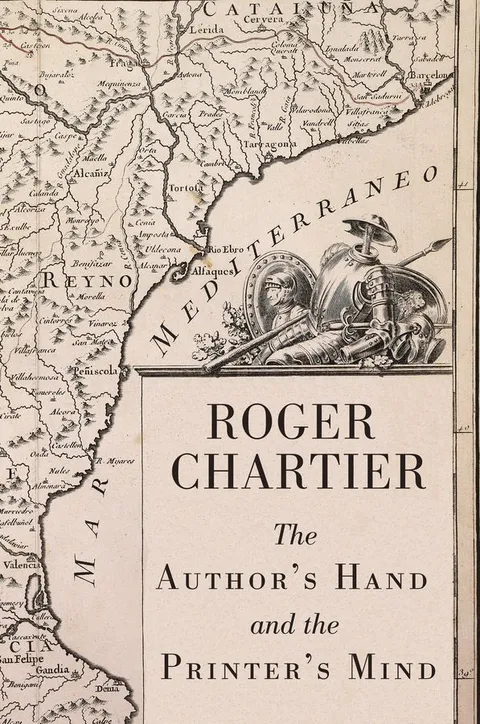
The Author's Hand and the Printer's Mind
Transformations of the Written Word in Early Modern Europe
Report an issue
Tell us what's wrong and we'll take a look.
Thanks – we got it. We'll review and follow up if needed.
In Early Modern Europe the first readers of a book were not those who bought it. They were the scribes who copied the author’s or translator’s manuscript, the censors who licensed it, the publisher who decided to put this title in his catalogue, the copy editor who prepared the text for the press, divided it and added punctuation, the typesetters who composed the pages of the book, and the proof reader who corrected them. The author’s hand cannot be separated from the printers’ mind.
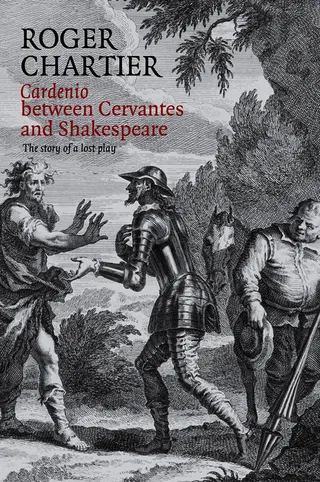
This book is devoted to the process of publication of the works that framed their readers’ representations of the past or of the world. Linking cultural history, textual criticism and bibliographical studies, dealing with canonical works - like Cervantes’ Don Quixote or Shakespeare’s plays - as well as lesser known texts, Roger Chartier identifies the fundamental discontinuities that transformed the circulation of the written word between the invention of printing and the definition, three centuries later, of what we call 'literature'.
Roger Chartier
Jeff Chartier taught in public schools for more than 25 years before becoming an author and speaker. He now writes stories to inspire a new generation of readers. He describes his books as "stories with a purpose, tested in the classroom, and designed to compete with the TikTok world."
More by Roger Chartier





Why Readwise Books?
Readwise Books is an ebook & audiobook platform that automatically logs how much you and your friends read, making it fun and easy to read more. Learn more →