Report an issue
Tell us what's wrong and we'll take a look.
Thanks – we got it. We'll review and follow up if needed.
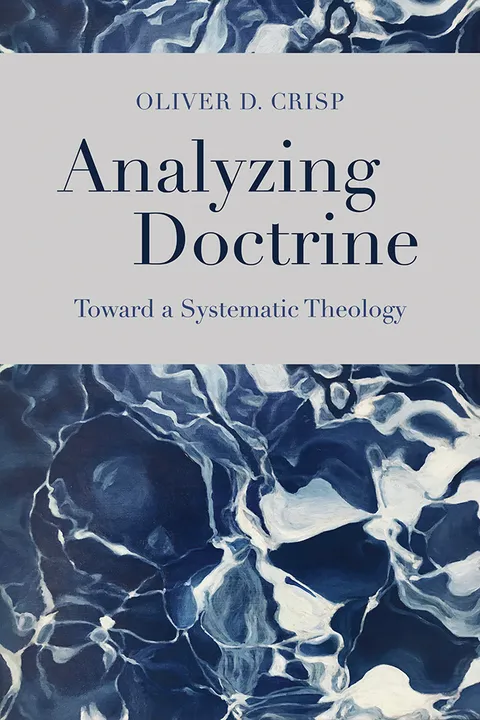
In Analyzing Doctrine Oliver Crisp carefully considers the relationship of systematic theology to analytic philosophy, arguing that the tools of analytic philosophy can be fruitfully applied to traditional systematic theology. Doing so, as Analyzing Doctrine reveals, creates a distinct and rich analytic theology. Analyzing Doctrine employs traditional themes of systematic theology to structure Crisp’s analytic theological analysis. Crisp examines the doctrine of God, the mystery of the Trinity, and God’s intention in creating and relating to the world. He then addresses the incarnation, original sin, the virgin birth, Christ’s two wills, salvation, and, finally, the resurrection. In the process of making his constructive case, Crisp engages a range of historic theological voices from the tradition, as well as contemporary biblical studies and systematic theology. Clear, accessible, and engaging, Analyzing Doctrine establishes analytic theology’s place in the architecture of systematic theology while also challenging some of its misconceptions. By seamlessly weaving together Christian tradition and analytic philosophy to construct his theology, Crisp argues for the integral role that analytic theology plays in the theological imagination.
Oliver D Crisp
Oliver D. Crisp (PhD, University of London, DLitt, University of Aberdeen) is professor of analytic theology at the University of St. Andrews. He is the author of several books, including Analyzing Doctrine: Toward a Systematic Theology, Saving Calvinism: Expanding the Reformed Tradition, Jonathan Edwards Among the Theologians, and The Word Enfleshed: Exploring the Person and Work of Christ. He is a founding editor of the Journal of Analytic Theology, and co-organizes the annual Los Angeles Theology Conference with Fred Sanders.
More by Oliver D Crisp



Why Readwise Books?
Readwise Books is an ebook & audiobook platform that automatically logs how much you and your friends read, making it fun and easy to read more. Learn more →