Report an issue
Tell us what's wrong and we'll take a look.
Thanks – we got it. We'll review and follow up if needed.

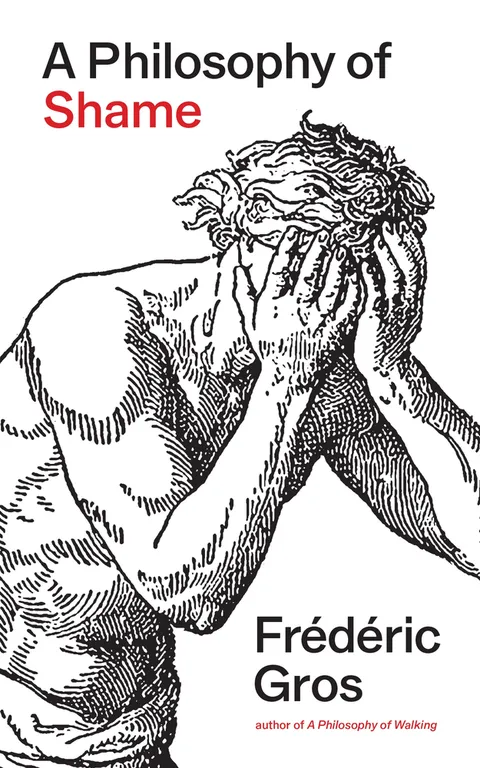
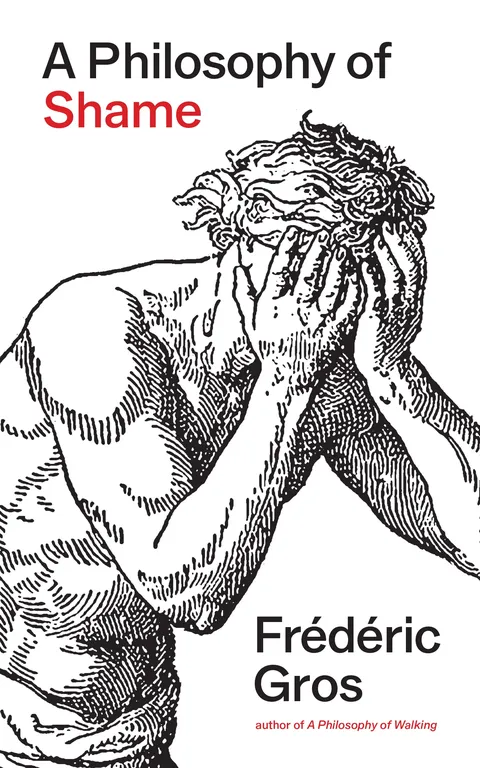
An original reflection on shame as the central feeling of our age — the expression of an anger that is the necessary condition for new struggles
Can shame become a source of political strength? Faced with injustice, growing inequality and systemic violence, we cry out in shame. We feel ashamed of obscene wealth amid wider deprivation. We feel ashamed of humanity for its ruthless and relentless exploitation of the earth. We feel ashamed of the racism and sexism that permeate society and our everyday lives.
This difficult emotion is not just sadness or a withdrawal into oneself, nor is it a paralysing sense of inadequacy. As Frédéric Gros argues in A Philosophy of Shame, it arises when our perception of reality rejects passivity and resignation and instead embraces imagination. Shame thus becomes the expression of an anger that is a powerful, transformative force —one that assumes a radical character.
In dialogue with authors such as Primo Levi, Annie Ernaux, Virginie Despentes and James Baldwin, Gros explores a concept that is still little understood in its anthropological, moral, psychological and political depths. Shame is a revolutionary sentiment because it lies at the foundation of any path of subjective recognition, transformation and struggle.
Frédéric Gros
Fr�d�ric Gros is a Professor of Philosophy at the University of Paris XII and the Institute of Political Studies, Paris. He was the editor of the last lectures of Michel Foucault at the Coll�ge de France. He has written books on psychiatry, law, and war as well as the best-selling Philosophy of Walking. He lives in Paris.
More by Frédéric Gros

















Why Readwise Books?
Readwise Books is an ebook & audiobook platform that automatically logs how much you and your friends read, making it fun and easy to read more. Learn more →