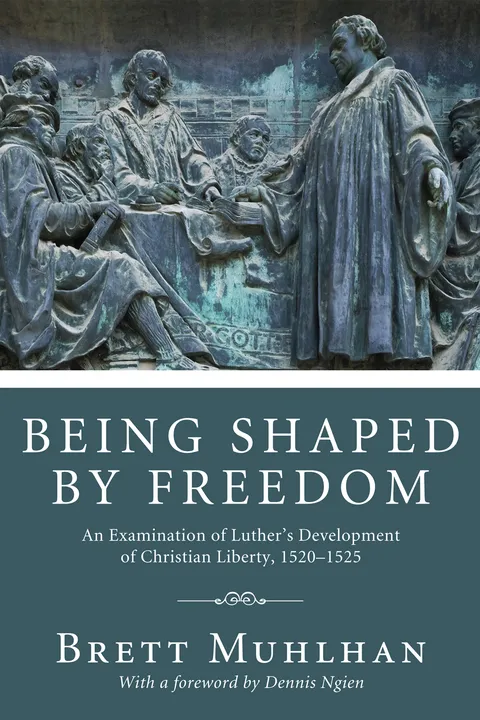
Being Shaped by Freedom
An Examination of Luther's Development of Christian Liberty, 1520–1525
Report an issue
Tell us what's wrong and we'll take a look.
Thanks – we got it. We'll review and follow up if needed.
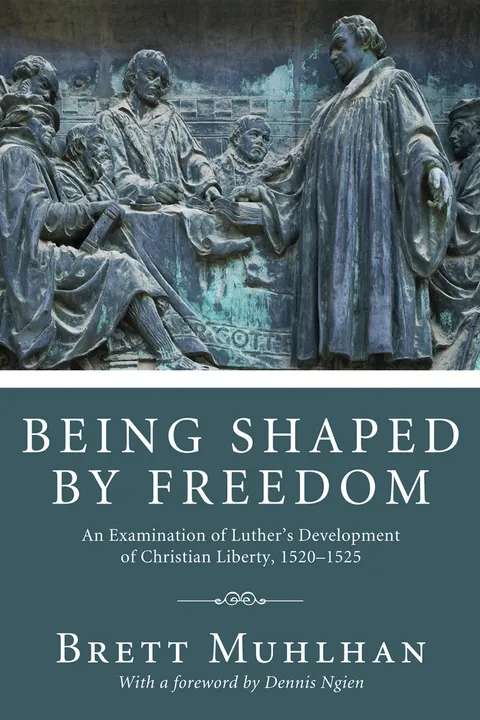
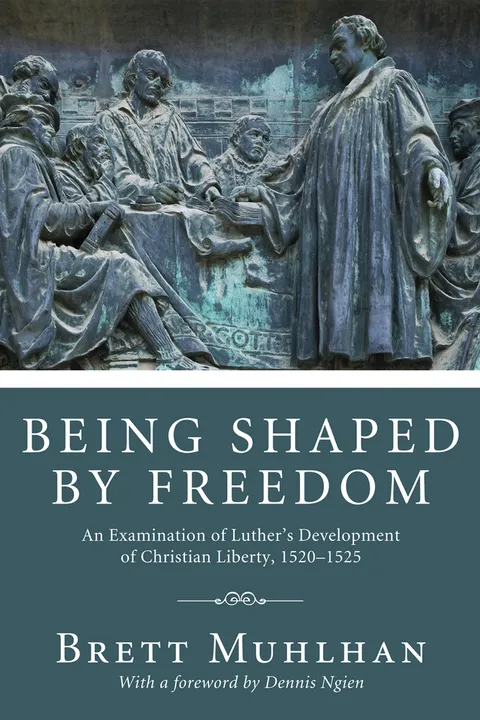
Did Luther get Christian freedom right? The answer to this question contains two elements: - What is Luther's understanding of Christian freedom? - How did his understanding stand up under the pressure of reformation? Muhlhan examines both of these elements and contends that the sublime beauty of Luther's early understanding of Christian freedom--an understanding that empowered the German reformation--is consistently the same understanding he used to undermine papal heteronomy and refute radical legalism. The relational character, cruciform substance, and complex structure of Luther's concept of freedom enabled him to speak both polemically and catechetically with a clear and authoritative communicative clarity that reinvoked the magnificence of Christ and him crucified for sinners. The impact, both positive and negative, of Luther's appraisal of Christian freedom finds its focus of impact in the small world of Wittenberg in the sixteenth century yet resonated throughout the church of his day as a powerful, theologically laden response to legalism and antinomianism. Therefore, in light of this impact and its correlation to biblical freedom, Muhlhan contents that we can confidently affirm that Luther did indeed get Christian freedom right and that he did not fail to live by the implications of this radical theology.
Brett James Muhlhan
Brett Muhlhan is Postgraduate Coordinator and Lecturer in Historical Theology, Systematics, and New Testament at the Perth Bible College, Western Australia.


Why Readwise Books?
Readwise Books is an ebook & audiobook platform that automatically logs how much you and your friends read, making it fun and easy to read more. Learn more →