The Illusion
Report an issue
Tell us what's wrong and we'll take a look.
Thanks – we got it. We'll review and follow up if needed.
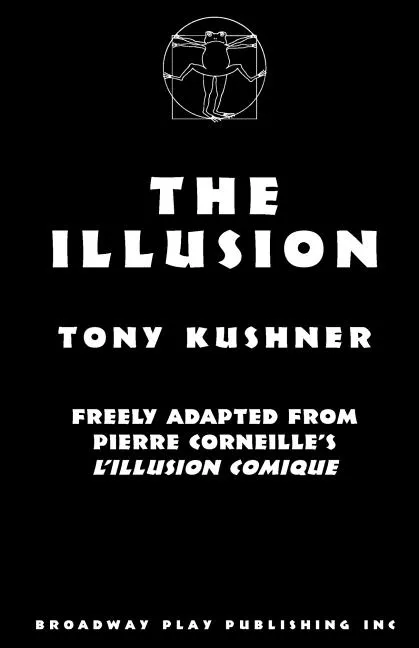
“The most lavish and picturesque special effects are what come out of
the mouths of the people onstage…Mr. Kushner makes words sing, swoon and
somersault as no other living American playwright does.” –Ben Brantley, New York Times
“Rapture comes naturally to playwright Tony Kushner, and in The Illusion, he plants a big swoony kiss on the lips of the theater.” –Nelson Pressley, Washington Post
“[The Illusion]
certainly has the stamp of Kushner’s delight in language. This is a
modern interpretation, filled with energy, colour and humour.” –Telegraph (UK)
“Fantastical
tribute to the magic of theater…You may resist its charms at first, but
soon enough you soften and, intoxicated by Kushner's language and
swayed by the music of his ideas, you submit to The Illusion's ravishments.” –TimeOut New York
Tony Kushner’s adaptation of The Illusion
triumphs as a thoroughly modern rendering of Pierre Corneille’s
neoclassical French comedy while featuring the exquisite wordplay,
beguiling comedy and fierce intelligence found in all of Kushner’s work.
An enchanting argument for the power of theatrical imagination over
reality, The Illusion weaves obsession and caprice, romance and
murder, fact and fiction, into an enticing exploration of the greatest
illusion of all—love.
Pierre Corneille
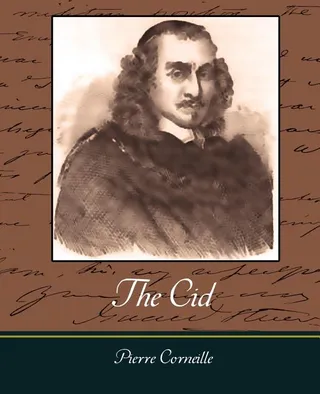
Pierre Corneille was a prominent French tragedian born on June 6, 1606, in Rouen, France. He is widely regarded as one of the greatest dramatists of the 17th century, alongside Moli re and Racine, and is often considered a founding figure in French classical tragedy. Corneille's works, which include plays like Le Cid, Horace, and Cinna, are known for their exploration of complex human emotions, moral dilemmas, and the struggles between personal desires and societal expectations. His mastery of dramatic structure and character development helped shape the evolution of French theater. Corneille's father, Pierre Corneille, was a prosperous merchant, and his mother, Marthe le Pesant de Boisguilbert, came from a notable family. He had a brother, Thomas Corneille, who also became a successful playwright. Corneille spent much of his life in Paris, where he died on October 1, 1684, at the age of 78. His legacy continues to influence theater, and his works remain central to the study of classical French drama.
More by Pierre Corneille



Why Readwise Books?
Readwise Books is an ebook & audiobook platform that automatically logs how much you and your friends read, making it fun and easy to read more. Learn more →