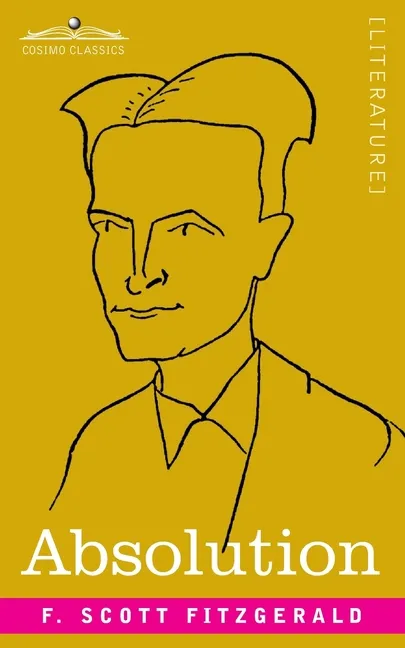
Absolution
Report an issue
Tell us what's wrong and we'll take a look.
Thanks – we got it. We'll review and follow up if needed.
"... Absolution is a penetrating and profound effort to articulate life in primal and dark conflict." -The New York Times (1926) Absolution (1924) by F. Scott Fitzgerald is the story of adolescent Rudolph Miller, a romantic dreamer who attempts to escape his small, Midwestern town through the lies he tells and the alter ego he creates. Rudolph's revelations in the confessional to his priest, Father Schwartz reveal his character flaws, however, he receives "absolution" through the story's events. First written as the prologue for The Great Gatsby (1925, also available from Cosimo Classics), Fitzgerald intended to reveal Jay Gatsby's childhood, but scrapped the idea, changed the names, and published it as a short story. This moralistic and romantic tale is for all who love Fitzgerald and fiction of the early twentieth century.
F. Scott Fitzgerald
Among the “Lost Generation” of writers that came of age during the Roaring Twenties, the work of F. Scott Fitzgerald (1896–1940) epitomized “The Jazz Age”: a period of declining traditional values, prohibition and speakeasies, and great artistic leaps. Fitzgerald’s first novel, This Side of Paradise, was a financial success, but subsequent ones, including his masterpiece, The Great Gatsby, sold poorly. In need of money, he turned to writing commercial short stories and Hollywood scripts, while his lifelong alcoholism destroyed his health and led to an early death. The 1945 reissue of The Great Gatsby spurred a wide resurgence of interest, and Fitzgerald is now considered one of the greatest American writers of the twentieth century.
More by F. Scott Fitzgerald




Why Readwise Books?
Readwise Books is an ebook & audiobook platform that automatically logs how much you and your friends read, making it fun and easy to read more. Learn more →